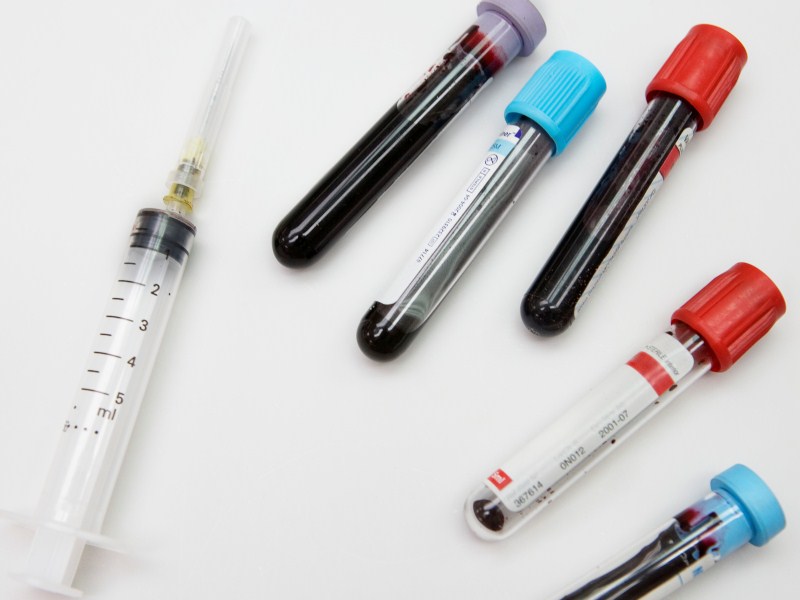
What Does a Phlebotomist Do? key Roles, Skills, and Career Insights
If you’re considering a career in healthcare or exploring various medical professions, you might have come across the term phlebotomist. But what exactly does a phlebotomist do? And what are the key skills, responsibilities, and career pathways associated with this vital healthcare role? In this comprehensive guide, we’ll delve into the core duties of a phlebotomist, necessary skills, career outlook, and practical tips for success.
Introduction
A phlebotomist is a healthcare professional trained to draw blood for tests, transfusions, research, or donations. their role is crucial in diagnosing illnesses, monitoring patient health, and supporting various medical procedures. Despite being a typically entry-level position in the healthcare industry, being a proficient phlebotomist requires specific skills, attention to detail, and a compassionate approach toward patients. Whether you’re just starting your career or looking to learn more about this profession, understanding what a phlebotomist does can help you make informed decisions.
Key Roles and Responsibilities of a Phlebotomist
Primary responsibilities
The core duties of a phlebotomist revolve around blood collection and ensuring the process is safe, efficient, and comfortable for patients. Here’s a detailed look at their key roles:
- Blood Collection: Drawing blood from patients using venipuncture,fingersticks,or heel sticks,depending on patient age and circumstances.
- Patient Preparation and Comfort: Explaining procedures, calming anxious patients, and providing clear instructions.
- Specimen Handling: Properly labeling, processing, and transporting blood samples to laboratories.
- Record Keeping: Maintaining accurate records of samples collected, patient details, and procedure logs.
- Equipment Maintenance: Ensuring collection devices, needles, and other tools are sterilized and ready for use.
- Adhering to Safety Protocols: Following infection control guidelines to protect both patients and staff.
- Assisting with Diagnostic Tests: Supporting lab staff with sample processing or other related tasks.
Additional Roles
Depending on the healthcare setting, a phlebotomist might also:
- Assist with patient intake and registration.
- Educate patients about the blood draw process.
- Manage inventory of medical supplies.
- Participate in quality control and safety audits.
Essential Skills and Qualifications for Phlebotomists
Technical Skills
- Proficiency in venipuncture and blood collection techniques.
- Knowledge of anatomy,especially veins and arteries.
- Experience with laboratory safety protocols and infection control.
- Ability to handle and troubleshoot collection equipment.
Interpersonal Skills
- Communication: Clearly explaining procedures and maintaining patient trust.
- Compassion: Providing reassurance to nervous or anxious patients.
- attention to Detail: Ensuring accurate labeling and sample handling.
- Patience and Calmness: Managing challenging situations professionally.
Qualifications
Most employers require certified training or diploma in phlebotomy, which can often be completed through vocational schools or community colleges. Certifications like Certified Phlebotomy Technician (CPT) offered by organizations such as the American Society for Clinical Pathology (ASCP) increase employability and credibility.
Career Outlook and Opportunities
The demand for skilled phlebotomists is expected to grow significantly due to the increasing need for diagnostic testing and outpatient services. The U.S. Bureau of Labor Statistics projects a 7% growth for medical laboratory technicians and phlebotomists from 2020 to 2030, faster than the average for other occupations.
Work Environments
| Workplace | Typical Setting | Advantages |
|---|---|---|
| hospitals | Emergency rooms, inpatient wards | Fast-paced environment, diverse cases |
| Clinics & Health Centers | Outpatient clinics, urgent care | Regular hours, patient interaction |
| Blood Donation Centers | Community centers, mobile units | Low-stress setting, community engagement |
Career Progression
- Senior Phlebotomist or Lead Technician
- Specialist in Arterial Blood gases (ABG)
- Laboratory Technician
- Healthcare Administrator
- Medical Laboratory Scientist
Benefits of a Career as a Phlebotomist
- Entry-Level Accessibility: Short training programs allow swift entry into healthcare.
- Job Stability: Consistent demand in various healthcare settings.
- Fulfilling Work: Direct patient contact and contributing to health diagnostics.
- Flexible Schedules: Opportunities for part-time work, evenings, weekends.
Practical Tips for Aspiring Phlebotomists
- Pursue accredited phlebotomy certification to boost employment prospects.
- Gain hands-on experience through internships or externships.
- Develop strong interpersonal and communication skills.
- Stay updated on infection control and safety protocols.
- Build resilience and patience for challenging patient interactions.
First-Hand Experience: A Day in the Life of a Phlebotomist
sarah, a certified phlebotomist working at a community hospital, shares her typical day:
“my day starts with preparing the blood collection area, verifying patient identifiers, and reviewing upcoming appointments.Throughout the day, I draw blood samples from patients of all ages-sometimes comforting nervous children, other times working efficiently in a busy emergency room.It’s a rewarding job as I directly assist in diagnosing health issues, and I enjoy the human connection I get to build with patients.”
Conclusion
Becoming a phlebotomist is an excellent entry point into the healthcare industry,offering meaningful work,job stability,and opportunities for advancement. By mastering key skills such as venipuncture, patient communication, and safety protocols, you can thrive in various healthcare environments. Whether you’re passionate about helping others or seeking a career with quick training and growth prospects,the role of a phlebotomist can be both fulfilling and rewarding. Start your journey today and contribute significantly to patient care and medical diagnostics!