Title: The Benefits of Therapeutic Phlebotomy: What You Need to Know
Meta Title: Understanding Therapeutic Phlebotomy: Benefits and Process Explained
Meta Description: Explore the benefits of therapeutic phlebotomy, a medical procedure that involves the removal of blood from the body to treat various conditions. Learn about the process, benefits, and practical tips for undergoing this therapeutic treatment.
Introduction:
Therapeutic phlebotomy is a medical procedure that involves the removal of blood from the body to treat various conditions. Also known as bloodletting, this ancient practice has been used for centuries to address a range of health issues. In modern medicine, therapeutic phlebotomy is primarily used to treat conditions such as hemochromatosis, polycythemia vera, and certain blood disorders.
This article will provide an overview of therapeutic phlebotomy, including its benefits, how the process works, and practical tips for undergoing this therapeutic treatment. Whether you are a healthcare professional looking to learn more about this procedure or a patient considering therapeutic phlebotomy, this article will provide valuable information to help you understand its uses and benefits.
What is Therapeutic Phlebotomy?
Therapeutic phlebotomy is a procedure in which blood is drawn from a patient to remove excess iron, red blood cells, or hemoglobin from the body. By removing blood, therapeutic phlebotomy helps to lower the levels of these substances in the bloodstream, which can be beneficial for patients with certain medical conditions.
Some of the key conditions that therapeutic phlebotomy can help treat include:
– Hemochromatosis: a genetic disorder that causes the body to absorb too much iron from the diet, leading to a buildup of iron in the organs.
– Polycythemia vera: a rare blood disorder in which the bone marrow produces too many red blood cells, leading to thickening of the blood.
– Porphyria: a group of rare disorders that affect the enzymes involved in heme production, leading to problems with the way the body makes heme, a component of hemoglobin.
Benefits of Therapeutic Phlebotomy:
There are several benefits to undergoing therapeutic phlebotomy, including:
– Reducing iron overload: For patients with hemochromatosis, therapeutic phlebotomy can help to reduce excess iron levels in the body, preventing organ damage.
– Lowering red blood cell count: In patients with polycythemia vera, therapeutic phlebotomy can help to reduce the number of red blood cells in the bloodstream, reducing the risk of blood clots and other complications.
– Managing symptoms: Therapeutic phlebotomy can help to alleviate symptoms such as fatigue, joint pain, and weakness in patients with conditions that cause excess iron or red blood cells in the body.
How Does Therapeutic Phlebotomy Work?
The process of therapeutic phlebotomy is similar to that of a regular blood donation, with a few key differences. Here is an overview of how therapeutic phlebotomy works:
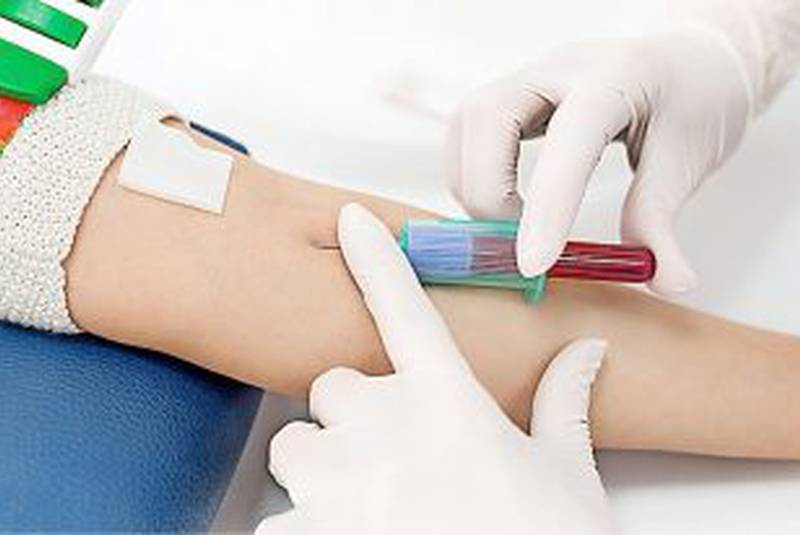
– A healthcare provider will insert a needle into a vein in the arm to draw blood.
– The amount of blood removed during therapeutic phlebotomy will vary depending on the patient’s condition and needs. Typically, between 300-500 milliliters of blood is removed during each session.
– The removed blood is collected in a bag and sent to a lab for analysis or disposal, depending on the reason for the phlebotomy.
– After the procedure, patients may be advised to drink plenty of fluids to help replenish lost blood volume.
Practical Tips for Undergoing Therapeutic Phlebotomy:
If you are considering undergoing therapeutic phlebotomy, here are some practical tips to help you prepare for the procedure:
– Stay well-hydrated: Drinking plenty of fluids before and after the procedure can help to reduce the risk of dehydration and help replenish lost blood volume.
– Eat a balanced diet: Eating a healthy, balanced diet rich in iron, vitamins, and minerals can help to support the body’s recovery after therapeutic phlebotomy.
– Follow your healthcare provider’s instructions: It is important to follow your healthcare provider’s instructions before, during, and after the procedure to ensure a safe and successful treatment.
Conclusion:
Therapeutic phlebotomy is a valuable medical procedure that can help treat a range of conditions, including hemochromatosis, polycythemia vera, and certain blood disorders. By understanding the benefits of therapeutic phlebotomy and how the process works, patients can make informed decisions about their healthcare and receive the treatment they need to manage their condition effectively.
If you are considering therapeutic phlebotomy, it is important to consult with your healthcare provider to discuss whether this treatment is right for you. By following practical tips and guidelines, you can prepare for the procedure and ensure a successful outcome. Don’t hesitate to ask your healthcare provider any questions you may have about therapeutic phlebotomy to feel informed and confident about your treatment plan.