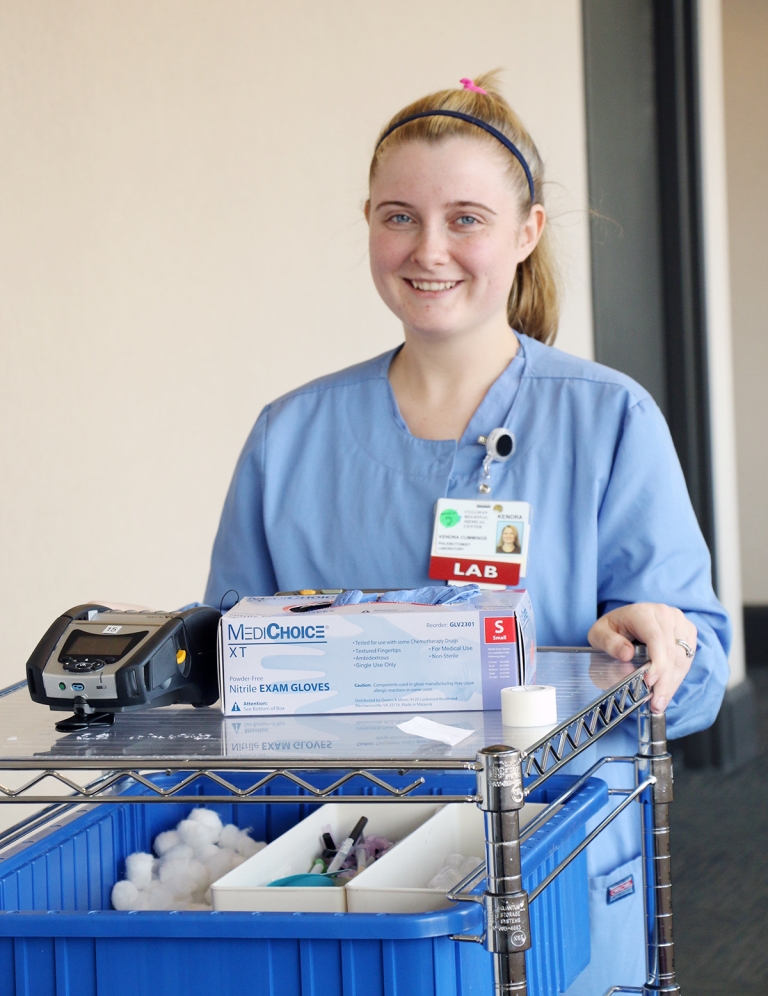
Unlocking the basics: Your Essential Guide to Starting a Career in Phlebotomy
are you intrigued by the medical field and considering a career that enables you to make a importent impact on patientS lives? Phlebotomy might just be the perfect fit for you! This essential guide will walk you through the basics of starting a career in phlebotomy, highlighting various aspects including training, certification, job responsibilities, and more. Let’s dive in!
What is phlebotomy?
Phlebotomy is the process of drawing blood from patients for tests,transfusions,donations,or research. It serves as a critical function in healthcare, contributing to patient diagnosis and treatment. Phlebotomists are trained healthcare professionals who specialize in venipuncture and ensuring that the blood-drawing process is safe and comfortable for patients.
Why choose a Career in Phlebotomy?
Choosing a career in phlebotomy can offer numerous benefits. Here are some compelling reasons:
- High demand: With the constant need for blood tests,the demand for trained phlebotomists is on the rise.
- Fast training: Most training programs take only a few months to complete, allowing you to start your career quickly.
- Job stability: Healthcare professionals are always in demand, which offers job security in various settings.
- Flexible hours: Phlebotomists can work in hospitals, clinics, and labs, often with flexible shift options.
Qualifications and Training
To become a phlebotomist, you’ll need to complete several steps which include:
1. Educational Requirements
Most employers require at least a high school diploma or GED. However, a postsecondary education in phlebotomy can be highly beneficial.
2.Phlebotomy Training Programs
Enroll in a phlebotomy training program. You can find programs at community colleges, vocational schools, and online. The program generally includes:
- Classroom instruction on anatomy and physiology
- Hands-on training in blood collection techniques
- Courses on infection control and safety protocols
3.Certification
While certification is not always required, having it can improve your job prospects. Consider obtaining certification from recognized bodies such as:
- American Society for Clinical Pathology (ASCP)
- national Phlebotomy Association (NPA)
- American medical technologists (AMT)
Phlebotomist Job Responsibilities
As a phlebotomist, your duties may include:
- Preparing patients for blood draws by explaining the procedure
- Ensuring proper identification and labeling of samples
- Collecting blood samples efficiently and safely
- Maintaining equipment and adhering to safety protocols
Essential Skills for Phlebotomists
Success in phlebotomy requires both technical and interpersonal skills. Here are some key attributes:
- Attention to detail: accuracy in sample collection and labeling is vital.
- Communication skills: Explaining procedures to patients in a comforting manner is crucial.
- Time management: Managing multiple patients efficiently is a must.
Case Studies and First-Hand Experience
Real-life experiences can provide insight into the life of a phlebotomist:
Case Study 1: The Kind Communicator
A phlebotomist named Sarah shared how her communication skills helped ease a child’s fear during a blood draw. By using engaging language and empathy, she was able to gain the child’s trust and successfully conduct the procedure with minimal distress.
Case Study 2: The Precise Technician
Mark, a phlebotomist for over five years, emphasized the importance of precision in every blood draw. He elaborated on how training prepared him to avoid complications, ensuring that each blood sample meets laboratory standards.
Practical Tips for Starting Your Phlebotomy career
here are some practical tips to help you succeed in your phlebotomy career:
- Network: Join phlebotomy groups and forums, both online and in your community.
- Stay Updated: Keep abreast of new techniques and technologies in blood collection.
- Volunteer: Experience in a healthcare setting can provide valuable exposure.
Salary and Job Outlook
According to the U.S. Bureau of Labor Statistics, the median annual wage for phlebotomists was approximately $37,000 as of 2021. Job outlook is promising, with a projected growth rate of 22% from 2020 to 2030, indicating a very favorable job market.
| Factor | Details |
|---|---|
| Median Salary | $37,000 per year (as of 2021) |
| Job Growth Rate | 22% from 2020 to 2030 |
| Certificate Options | ASCP, NPA, AMT |
conclusion
Starting a career in phlebotomy can be incredibly rewarding, both personally and professionally. With a relatively short training period, ample job opportunities, and the ability to make meaningful contributions to patient care, phlebotomy presents an excellent career path. Remember to invest in your education, hone your skills, and embrace the journey ahead. You’re one step away from unlocking an essential role in the healthcare industry!