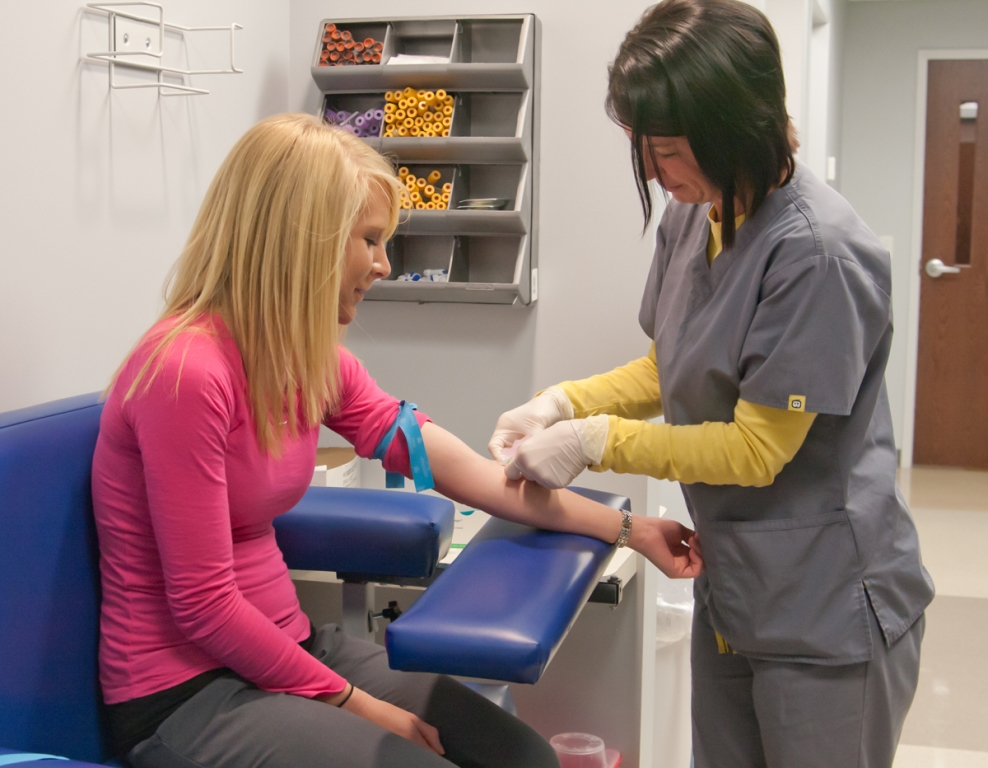
Unlock Your Career: The Ultimate Guide to Becoming a Nationally Certified Phlebotomist
Are you considering a career in healthcare? If so, becoming a nationally certified phlebotomist might be the right choice for you. This role not onyl offers a fulfilling career but also a chance to make a real difference in people’s lives. In this comprehensive guide,we’ll delve into what it takes to become a phlebotomist,the certification process,benefits of certification,and practical tips to succeed in this field.
What is Phlebotomy?
Phlebotomy is the practice of drawing blood from patients for clinical or medical testing, transfusions, research, or blood donations.Phlebotomists are trained professionals who ensure that these procedures are carried out safely and effectively.
Why Become a Nationally Certified Phlebotomist?
Certification as a phlebotomist demonstrates your competence and dedication to the profession. Here are some key benefits:
- Enhanced Job Opportunities: Certification opens doors to a plethora of job opportunities within hospitals, clinics, and laboratories.
- Higher Earning Potential: Certified phlebotomists often earn higher wages compared to non-certified counterparts.
- Professional Credibility: A national certification boosts your credibility and shows employers that you’re committed to maintaining high standards.
- Networking Opportunities: Joining professional organizations for certified phlebotomists can led to valuable connections in the healthcare industry.
The Path to Becoming a Nationally certified phlebotomist
Step 1: Meet the Pre-requisites
Before diving deep into phlebotomy training, ensure you meet some basic prerequisites:
- Minimum Education: A high school diploma or GED is typically required.
- Age Requirement: Candidates should generally be at least 18 years old.
- Background Check: Some programs might require a background check before admission.
Step 2: Enroll in a Phlebotomy Training Program
Choose an accredited phlebotomy training program. Factors to consider include:
- Program Length: Most programs range from 4 to 12 months.
- Hands-on Training: Look for programs that offer practical experience in a clinical setting.
- Curriculum: Ensure the curriculum covers essential topics such as anatomy, safety procedures, and phlebotomy techniques.
Step 3: Complete Clinical Experience
Most states require a certain number of hands-on blood draws before you can be certified. This clinical experience is crucial:
- Real-World Application: practice in a controlled environment to gain confidence and expertise.
- Mentorship: Learning from experienced phlebotomists can help refine your skills.
Step 4: Obtain Certification
After completing your training and clinical hours, you can take the certification exam. Here’s a brief overview of different certifying organizations:
| Organization | Certification Offered | Website |
|---|---|---|
| National Phlebotomy Association (NPA) | Certified Phlebotomy Technician (CPT) | nationalphlebotomy.org |
| American Society for Clinical Pathology (ASCP) | Phlebotomy Certification | ascp.org |
| National healthcareer Association (NHA) | Certified Phlebotomy technician (CPT) | nhanow.com |
Step 5: Maintain Your Certification
A nationally certified phlebotomist must stay up-to-date with the latest practices and renew their certification periodically, usually every 1-3 years. This may involve:
- Continuing Education Units (CEUs)
- Recertification Exams
Case Studies: Success Stories of Certified Phlebotomists
Many certified phlebotomists have shared their inspiring stories. Here are two examples:
Maria Gonzalez: A Path to Empowerment
After completing her high school education, Maria enrolled in a phlebotomy program at a community college. Within a year, she became a certified phlebotomist.Now, she works in a busy hospital lab, where she enjoys interacting with patients and helping them feel at ease during procedures.
John Smith: From Uncertainty to a Fulfilling Career
Initially unsure of his career path,John explored phlebotomy and decided to pursue certification. he found a passion for helping others, and his career has blossomed; he now mentors new phlebotomists and plays a vital role in training others in the field.
First-Hand Experience: A day in the Life of a Phlebotomist
Curious about what a typical day looks like for a phlebotomist? Here’s a snapshot:
- Morning routine: Arriving at the lab, reviewing the day’s patient list, and preparing equipment.
- Patient Interactions: Greeting patients,explaining procedures,and ensuring comfort.
- Blood Draws: Performing blood draws efficiently while following safety protocols.
- Record Keeping: Documenting procedures and ensuring samples are sent for analysis.
Practical tips for Aspiring Phlebotomists
To ensure success in your phlebotomy career, consider the following tips:
- Stay Updated: Follow industry news and advances in techniques.
- practice Good communication: Develop strong communication skills for interacting with patients and healthcare teams.
- Focus on Patient Comfort: Understanding techniques for easing patient anxiety can lead to a smoother process.
Conclusion
becoming a nationally certified phlebotomist is a proactive step toward a rewarding career in healthcare. with the right training,certification,and dedication,you can not only unlock your career but also play a crucial role in patient care. Whether you’re just starting your journey or looking to enhance your skills through certification, the opportunities in phlebotomy are endless.
Take the first step today, and watch your career soar!