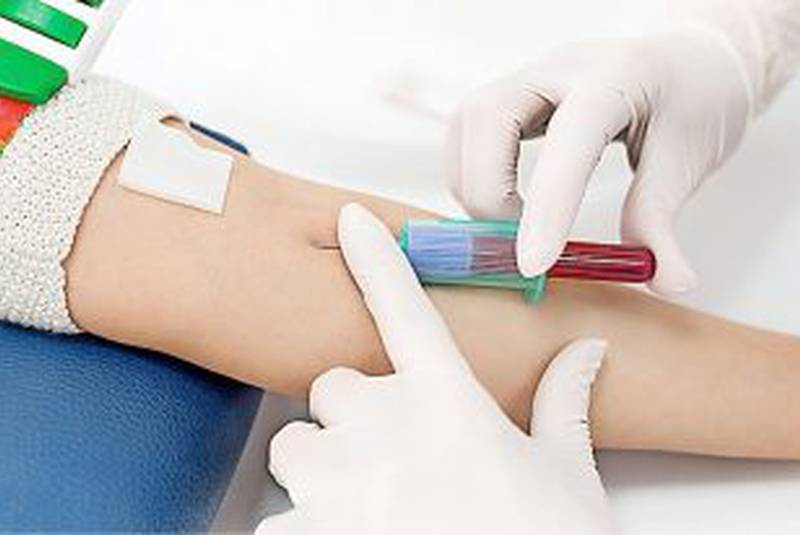
Unlock Your Career Potential: A Complete Guide to ASPT Phlebotomy Certification
Are you interested in advancing your career in the healthcare field? One of the most effective ways to do so is by obtaining your ASPT Phlebotomy certification. This credential not only enhances your professional profile but also opens up a variety of job opportunities in the medical field.
What is ASPT Phlebotomy Certification?
The ASPT (American Society of Phlebotomy Technicians) Phlebotomy Certification is a nationally recognized credential that signifies your proficiency in performing phlebotomy procedures. This certification demonstrates that you possess the essential skills and knowledge required for blood collection, patient care, and laboratory standards.
why Pursue ASPT Phlebotomy Certification?
Obtaining your ASPT Phlebotomy Certification comes with a host of benefits, particularly in a growing job market.
Benefits of ASPT Certification
- Increased Job Opportunities: Certified phlebotomists are in high demand across various healthcare settings, including hospitals, clinics, and laboratories.
- Higher Salary Potential: Studies indicate that certified phlebotomists earn higher salaries compared to their non-certified counterparts.
- Career Advancement: Certification prepares you for advanced roles, such as phlebotomy supervisor or laboratory manager.
- Professional Credibility: Being certified adds a layer of credibility to your skill set, making you more attractive to employers.
The Path to ASPT Phlebotomy Certification
here’s a step-by-step guide to help you navigate the process of becoming ASPT certified:
1. Complete a Training Program
Before you can apply for certification,it’s essential to complete a phlebotomy training program. Look for programs accredited by recognized bodies. Most training programs include:
- Theory coursework on blood collection and safety procedures
- Hands-on training with real patients
- Internships or clinical experience
2. Understand the Certification Requirements
To be eligible for ASPT certification, you must fulfill the following criteria:
- Be at least 18 years old
- Have a high school diploma or GED
- Complete a state-approved training program
- Have a minimum number of venipunctures (usually at least 100)
3. Gather Required Documentation
To apply for certification, gather the following documents:
- Proof of completion of an accredited phlebotomy training program
- documented clinical experience
- Photo identification
4. Pass the ASPT Certification Exam
The certification exam consists of multiple-choice questions covering key areas of phlebotomy. You will need to study and prepare adequately. Here are some subjects that will be tested:
- Blood collection techniques
- Anatomy and physiology relevant to phlebotomy
- Laboratory safety and infection control
5. Maintain Your Certification
Once you are certified, ensure you stay current with continuing education. the ASPT may require renewal every few years,which may involve:
- Completing continuing education credits
- Retesting
Practical Tips for Success
- Network: join phlebotomy forums and attend workshops to connect with industry professionals.
- Practice: Hands-on practice is crucial. Ensure that you get ample clinical experience during your training.
- Stay Updated: Follow the latest trends and technologies in phlebotomy.
Case Studies: Success Stories from Certified Phlebotomists
Here are a few examples of individuals who have successfully leveraged their ASPT certification to advance their careers:
| Name | Before Certification | After Certification |
|---|---|---|
| Sarah J. | entry-level healthcare assistant | Certified phlebotomist and lab coordinator |
| John D. | Unemployed | Phlebotomy supervisor in a major hospital |
| Alice P. | Medical lab technician | director of laboratory services |
Frist-Hand Experience: What to Expect as a Phlebotomist
Many phlebotomists report a fulfilling career with the ability to make a direct impact on patient care. Here’s what a few certified phlebotomists have to say:
“Becoming certified opened doors for me that I never thought possible. I’ve been able to work in various roles within the healthcare system, and it’s incredibly rewarding.” – Jenna S.
“The relationships I’ve built with patients make my job enjoyable and meaningful every single day.” - Mike T.
Conclusion
Pursuing your ASPT Phlebotomy Certification is a strategic move to unlock your career potential in the healthcare industry. With increasing job opportunities, improved salary potential, and the ability to advance your career, certification is a worthwhile investment in your future. Take the steps outlined in this guide, prepare thoroughly for the exam, and enjoy the fulfilling career that awaits you as a certified phlebotomist.