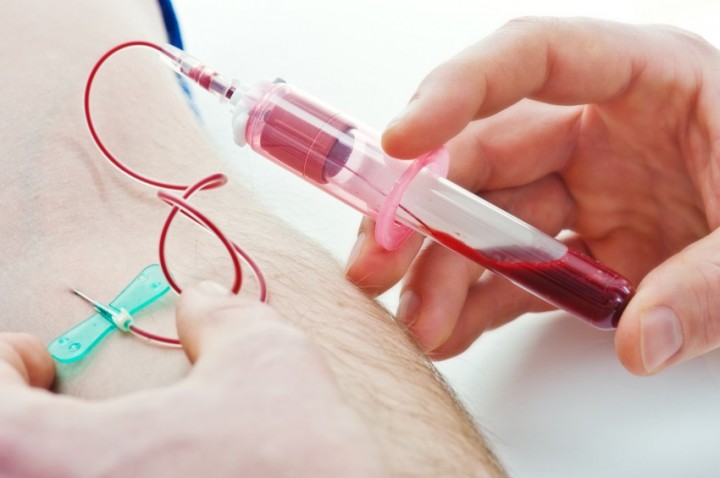
Mastering Phlebotomy Procedures: Essential Techniques for Accurate Blood Collection
Phlebotomy—the practice of drawing blood for laboratory testing—is a fundamental skill for healthcare professionals. Whether you’re a novice or looking to refine your techniques, mastering proper blood collection procedures is critical to ensure specimen integrity, patient safety, and accomplished test results. In this comprehensive guide,we’ll explore essential phlebotomy techniques,practical tips,benefits,and real-world case studies to help you become proficient in blood collection.
Introduction to Phlebotomy
Proper blood collection is more than just inserting a needle.It involves understanding anatomy, selecting equipment, maintaining patient comfort, and adhering to safety protocols. Accurate blood collection not only ensures reliable test results but also minimizes patient discomfort and reduces the risk of complications such as bruising or infections.
Key Benefits of Mastering Phlebotomy Techniques
- Improved test accuracy
- Enhanced patient safety and comfort
- Reduced risk of needlestick injuries
- Increased professional confidence
- Compliance with healthcare regulations
Essential Equipment for Blood Collection
Having the right tools is essential for efficient and safe phlebotomy. The common equipment includes:
- Vacutainer needles and collection tubes
- Alcohol swabs
- Tourniquets
- Gloves
- Sharps disposal containers
- Sterile gauze and adhesive bandages
Step-by-Step Guide to Phlebotomy Procedures
1. Patient Readiness
Creating a comfortable environment is key.Greet your patient warmly, explain the procedure clearly, and confirm their identity. Ask about any allergies or previous issues with blood draws.
2. Selecting the Venipuncture site
The median cubital vein in the antecubital fossa (the bend of the elbow) is typically preferred due to its size and stability. Option sites include:
- Cephalic vein
- Basilic vein
3. Applying the Tourniquet
Place the tourniquet 3-4 inches above the selected site. Ensure it’s snug but not too tight to impede circulation or cause discomfort.
4. Disinfecting the Site
Use an alcohol swab to clean the area in a circular motion, moving outward from the insertion point. Allow the skin to air dry to prevent contamination.
5. Performing the Venipuncture
- Wear gloves for safety and infection control.
- Insert the needle at a 15–30 degree angle with the bevel facing up.
- Advance the needle gently into the vein until blood begins to flow into the collection tube.
6. Filling Collection Tubes
Allow the tubes to fill in the correct order to prevent cross-contamination. Remove the tourniquet once the first tube begins filling to reduce vein collapse.
7. Completing the Draw and Post-Procedure Care
- Withdraw the needle smoothly and immediately apply gauze with gentle pressure.
- Secure the puncture site with an adhesive bandage.
- Properly dispose of the needle in a sharps container.
- Label the tubes accurately with patient facts before sending for analysis.
Common Challenges and Practical tips
even experienced phlebotomists encounter obstacles. Here are some common challenges and solutions:
| Challenge | Practical Tip |
|---|---|
| Collapsed veins | Apply a tourniquet a bit tighter or warm the site to increase vein size. |
| Patient anxiety or movement | Communicate clearly and reassure the patient. Have the patient make a fist to assist vein prominence. |
| Blood flow difficulty | Try alternative sites or adjust the angle of needle insertion. |
Case Studies: Real-life Examples of Phlebotomy Success
Case study 1: Overcoming Arduous Veins
A patient with difficult, rolling veins was successfully blood sampled by warming the site with a heating pad. Gentle anchoring and a shallow insertion improved blood flow, leading to a successful draw.
Case Study 2: Reducing Patient Discomfort
Implementing a calm, pleasant approach and explaining each step reduced patient anxiety. Using smaller gauge needles minimized discomfort, resulting in a smoother procedure and positive feedback.
First-Hand Experience: Lessons Learned in Phlebotomy
As a healthcare professional, hands-on experience is invaluable. Practical tips include practicing proper tourniquet submission,mastering needle angles,and maintaining a calm demeanor to keep patients at ease. Regular training and staying updated on best practices can greatly improve your blood collection skills.
Conclusion: Achieving Excellence in Blood Collection
Mastering phlebotomy procedures is essential for healthcare professionals committed to providing safe, effective, and patient-centered care. By understanding the proper techniques, utilizing the right equipment, and continuously practicing, you can enhance the accuracy of blood collection and ensure optimal outcomes for your patients. Embrace these essential techniques, stay informed about new advancements, and strive for excellence in every blood draw.