Master the Essentials: A Comprehensive Guide to Phlebotomy Basics for Beginners
Entering the world of healthcare requires a solid understanding of various clinical procedures, and phlebotomy stands out as a critical skill for many medical professionals. Whether you’re considering a career as a phlebotomist or simply want to learn about blood collection techniques, this comprehensive guide is designed to introduce you to the fundamentals of phlebotomy. With clear explanations, practical tips, and essential techniques, you’ll be well-equipped to master the basics of this vital healthcare practice.
Understanding Phlebotomy: What Is It?
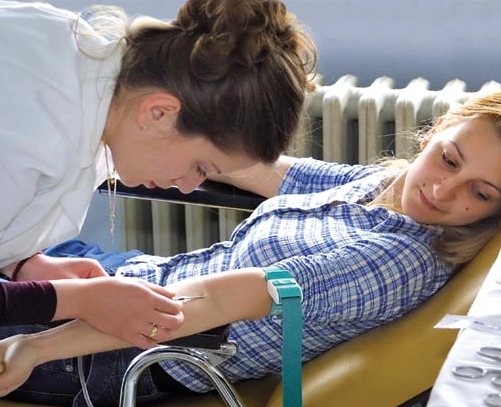
phlebotomy is the process of drawing blood from patients for laboratory testing, blood donation, transfusions, or research purposes. it plays a crucial role in diagnosing diseases, monitoring health conditions, and supporting medical treatment plans. Accurate blood collection not only ensures reliable test results but also prioritizes patient safety and comfort.
Why Is Phlebotomy Critically important?
- Accurate Diagnosis: Blood samples are essential for diagnosing illnesses and monitoring health conditions.
- Blood Donation: Phlebotomists facilitate blood donations which help save lives during emergencies and surgeries.
- Laboratory Testing: Proper blood collection ensures lab test accuracy and reliable results.
- Supporting Healthcare Delivery: from outpatient clinics to hospitals, phlebotomy is a foundational procedure.
The essential Skills for Beginners in Phlebotomy
Starting in phlebotomy requires developing a set of core skills. These include technical expertise, patient communication, and safety awareness:
- Proper Venipuncture Technique: finding veins, inserting the needle correctly, and handling collection tubes.
- Infection Control: Maintaining sterile procedures and avoiding contamination.
- Patient Interaction: Comforting anxious patients and explaining procedures clearly.
- Labeling and Handling Samples: Accurate documentation to prevent errors.
- Equipment Use and Maintainance: Knowledge of tourniquets, needles, tubes, and safety devices.
Step-by-Step Guide to Phlebotomy for Beginners
Planning Before the blood Draw
- Gather all necessary supplies: needles, collection tubes, alcohol swabs, gloves, tourniquet, and labels.
- Verify patient identity and explain the procedure to ease anxiety.
- Wash hands thoroughly and wear gloves.
Performing the Venipuncture
- Apply the tourniquet 3-4 inches above the venipuncture site to engorge the vein.
- Palpate for a suitable vein, usually in the antecubital fossa.
- Clean the site with an alcohol swab and allow to dry.
- Insert the needle smoothly at a 15-30 degree angle with the bevel facing up.
- Attach the collection tube, ensuring proper fill volume.
- Release the tourniquet once blood flow is adequate.
- Withdraw the needle, apply pressure, and bandage the site securely.
Post-Procedure Steps
- Label samples immediately with patient details.
- Dispose of sharps in designated containers.
- Observe the patient for any adverse reactions.
- Document the procedure accurately in patient records.
Safety Tips and Best Practices
- Always wear gloves and use sterile equipment.
- Never reuse needles-dispose of them properly.
- Check patient allergies and medical history before proceeding.
- Be gentle to reduce patient discomfort and prevent hematoma formation.
- Keep the work area clean and organized.
Benefits of Becoming a Skilled Phlebotomist
| benefit | Description |
|---|---|
| Stable Job Opportunities | High demand across healthcare facilities worldwide. |
| Rewarding career | Contribute to patient health and healthcare success. |
| Flexible Work Hours | Options include full-time, part-time, or travel positions. |
| Professional Growth | Opportunities for certification and specialization. |
Practical Tips for Aspiring Phlebotomists
- Practice regularly to build confidence and skill.
- Always prioritize patient comfort and communication.
- Stay updated with latest safety protocols and innovations.
- Obtain certification from accredited programs to enhance credibility.
- Seek mentorship or shadow experienced professionals when possible.
Case Study: A Day in the Life of a Beginner Phlebotomist
Maria, a newly certified phlebotomist, shares her experience. On her first day, she carefully prepared her supplies, explained procedures to nervous patients, and handled blood draws with steady hands. Challenges like difficult veins taught her patience and problem-solving skills.Over time, Maria mastered the art of pleasant blood collection, earned patient trust, and experienced the rewarding feeling of contributing directly to patient care. Her journey highlights that with practice, beginners can become confident and proficient phlebotomists.
Common Challenges and How to overcome Them
- Finding Veins: Use gentle palpation and consider warm compresses.
- Patient Anxiety: Use calm communication and reassurance techniques.
- blood Flow Issues: Adjust needle angle or try alternate sites if veins are difficult.
- Sample Contamination: Follow strict aseptic procedures.
Final Thoughts: Mastering the Basics of Phlebotomy
Mastering the essentials of phlebotomy is a vital step toward a fulfilling healthcare career. By understanding proper techniques,prioritizing safety,and caring for patients,beginners can develop the skills necessary to perform blood collection effectively. Remember, consistent practice and ongoing learning are key to becoming a confident and competent phlebotomist. Whether you’re starting as a student or exploring new healthcare skills, this comprehensive guide provides a solid foundation to help you succeed in the world of phlebotomy.
Ready to Start Your Phlebotomy journey?
If you’re inspired to pursue a career in phlebotomy, consider enrolling in a certified training program, gaining hands-on experience, and building a network within the healthcare community. With dedication and clinical practice, you’ll soon master this essential healthcare skill and make a positive impact on countless patients’ lives.