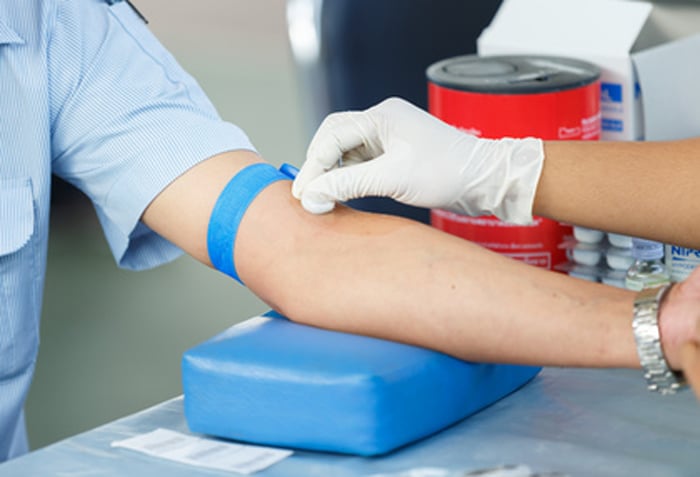
How to Get Certified in Phlebotomy: Step-by-step Guide to Kickstart Your Healthcare Career
If you’re looking for a fast, hands-on entry point into healthcare, becoming a certified phlebotomy technician can open doors. This step-by-step guide covers everything from choosing a program to passing your certification exam and starting your career.
Phlebotomy is a cornerstone of modern healthcare. Certified phlebotomy technicians (CPTs) perform blood draws, label specimens correctly, and ensure patient safety and comfort during collection. With rising demand for skilled phlebotomists in hospitals,clinics,donation centers,and diagnostic labs,getting certified is a smart,efficient path to a stable healthcare career.
In this guide, you’ll learn how to choose the right training, what certification bodies accept, how to prepare for and pass the exam, and how to maintain your credentials over time. Whether you’re starting from scratch or transitioning from another healthcare role, the steps below will help you build solid phlebotomy skills and confidence.
Why Get Certified in Phlebotomy?
- Certification signals to employers that you meet standardized, industry-recognized competencies in blood collection, specimen handling, and patient care.
- Certified phlebotomists are in demand across hospitals,outpatient clinics,blood banks,and private laboratories.
- While salaries vary by location and experience,certification often correlates with higher starting pay and more advancement options.
- Training emphasizes safety, infection control, proper venipuncture technique, and accurate specimen labeling-reducing errors and improving patient outcomes.
Step 1 – Understand the Phlebotomy Certification Landscape
Before you enroll, familiarize yourself with the major certifying bodies and what they require. Each institution sets its own eligibility criteria, exam format, and renewal rules. Common options include:
- ASCP - Phlebotomy Technician (PBT) certification: widely recognized in hospital settings.
- NHA – Certified Phlebotomy Technician (CPT): popular for allied health career paths and often accepted by outpatient facilities.
- NCCT – Phlebotomy Technician (CPT): known for accessible testing and clear prerequisites.
- AMT – Registered Phlebotomy Technician (RPT): a long-standing option with emphasis on continuing education.
Key considerations when choosing a cert Body:
- Accredited training prerequisites and state acceptance
- Exam format (computer-based, multiple choice, number of questions)
- Recertification requirements (CE credits, renewal interval)
- Cost, testing locations, and scheduling options
Tip: Check your desired employer or state licensing board to see which certs they recognize.In many regions, employers value a certificate from any of these major bodies, provided that you can demonstrate competence in core phlebotomy skills.
Step 2 – Enroll in a Reputable Phlebotomy Training Program
A solid training program provides both theoretical knowledge and hands-on practice. Look for:
- Programs accredited by recognized agencies (such as, ABHES or CAAHEP in some regions) tend to have standardized curricula and practicum opportunities.
- The program should align with the requirements of at least one major certifying body.
- A mandatory or optional clinical practicum helps you gain real-world venipuncture experience.
- Weekend or evening cohorts can help working adults.
- Moast programs require a high school diploma or GED; some may require CPR certification or immunizations.
Program types you might encounter:
- certificate programs (short-term, usually 4-12 months)
- Diploma programs (often 6-12 months with more in-depth training)
- Associate degree options (2-year programs with broader health sciences coursework)
What to ask when you’re evaluating programs:
- What is the student-to-instructor ratio in lab sessions?
- How many hours of hands-on phlebotomy practice are included?
- Where is the clinical practicum located, and how long is it?
- What is the pass rate for the program’s graduates on the certification exam?
Step 3 – Complete Coursework and Hands-on Training
Expect a blend of classroom theory and practical lab work. Core topics typically include:
- Anatomy and physiology relevant to the circulatory system
- Venipuncture techniques (vein selection, equipment handling, needle safety)
- Capillary puncture and heel-stick methods
- Specimen collection, labeling, and transport
- specimen handling, processing, and chain of custody
- Infection control, aseptic technique, and global precautions
- Patient interaction and bedside manners
- Safety protocols, PPE usage, and OSHA standards
- HIPAA basics and patient privacy
- Equipment maintenance and quality control
Tip for success: Build strong hand-eye coordination for venipuncture, practice proper needle handling, and memorize common blood collection tubes and additive types. Regular review of safety guidelines reduces errors and improves patient trust.
Step 4 – Complete a Phlebotomy Practicum / Clinical Rotation
A hands-on practicum is a cornerstone of most phlebotomy programs. It helps you apply what you’ve learned in a real-world setting under supervision. Expect:
- Supervised blood draws from diverse patient populations
- Practice with different tube types and labeling protocols
- Experience with specimen transport and documentation
- Exposure to potential challenges (difficult veins, anxious patients) and how to handle them
- Training on error prevention and patient safety
Practicum tips:
- Keep a reflective log of your experiences and questions.
- Ask for feedback from your clinical instructor after each shift.
- Respect patient comfort and consent; communicate clearly about what you’re doing.
Step 5 – Prepare For and Pass the Certification Exam
Once you complete your program, you’ll be ready to sit for the certification exam. Readiness tips:
- Review the exam content outline from your cert body to focus study on key domains (e.g., venipuncture techniques, specimen handling, safety).
- Take practice tests to familiarize yourself with the question format and timing.
- Use reputable study guides,flashcards,and online mock exams.
- Form a study group or partner up for peer quizzing.
- Ensure you meet all eligibility requirements (documentation, fees, and any prerequisites) before scheduling.
On exam day:
- Arrive early with required identification and materials.
- Read each question carefully, and pace yourself to complete all items.
- Trust your training-your practice is designed to reinforce the correct techniques.
Step 6 - Maintain and Renew Your Certification
certification isn’t a one-and-done event.Most certifying bodies require ongoing renewal through continuing education (CE) credits and, in certain specific cases, re-examination at set intervals. General tips for maintenance:
- Track CE credits and keep documentation of your coursework and conference attendance.
- Keep CPR/BLS certification current if your cert body requires it.
- Stay informed about any changes in procedures, safety regulations, or tube types.
- Renew before your certification expires to avoid gaps in licensure or employment eligibility.
Practical Tips and Best Practices for Aspiring Phlebotomists
- Build a solid foundation in anatomy and handling techniques early in training.
- Practice sterile technique and correct labeling to prevent specimen mix-ups.
- Cultivate excellent patient communication to reduce anxiety and improve cooperation.
- Develop meticulous documentation habits from day one.
- Learn about different specimen collection tubes and additive incompatibilities.
- Prepare a professional portfolio that includes your practicum hours, supervisor feedback, and any certifications earned.
Case Study: From Classroom to Certified Phlebotomist
Meet Emma, who started as a part-time healthcare assistant and decided to pursue phlebotomy certification. She enrolled in a 9-month certificate program with a clinical practicum at a community hospital. Emma chose the NCCT CPT pathway as the program aligned with the NCCT exam objectives and offered a 120-hour practicum in the hospital lab.
During her practicum, Emma learned to select appropriate tubes, mastered venipuncture on patients of all ages, and became proficient at labeling and transporting samples. After completing the program, she passed the NCCT CPT exam on her first attempt. A few months later, Emma secured a full-time phlebotomy technician position and began pursuing continuing education credits to maintain her certification. Her story illustrates how a focused program, hands-on practice, and a clear certification pathway can accelerate entry into a fulfilling healthcare career.
tools,Resources,and Study Aids
- Official exam content outlines from each certifying body
- Practice tests and study guides focused on phlebotomy techniques and safety
- CPR/BLS certification to boost employability and patient safety
- Hospital volunteering or shadowing to gain real-world exposure
Frequently Asked Questions
- Do you need a degree to become a phlebotomist?
- No. Many roles are filled by certificate or diploma holders. An associate degree can open broader healthcare opportunities, but it’s not required for entry-level phlebotomy.
- How long does it take to become certified?
- Typically 4-12 months for a certificate or diploma program, plus time to study and take the certification exam.
- Is phlebotomy certification recognized nationwide?
- Yes, by major certifying bodies. Some regions or employers may have preferences, so verify with prospective employers.
Conclusion
Getting certified in phlebotomy is a practical, effective way to launch a healthcare career. By choosing the right program, completing rigorous hands-on training, and earning a widely recognized certification, you’ll position yourself for meaningful work in patient care, lab services, and diagnostic support. Remember to stay current with continuing education,pursue opportunities for hands-on practice,and keep patient safety at the forefront of your practice. With dedication and a clear plan, you can become a confident, capable phlebotomy technician-and begin serving patients and healthcare teams from day one.