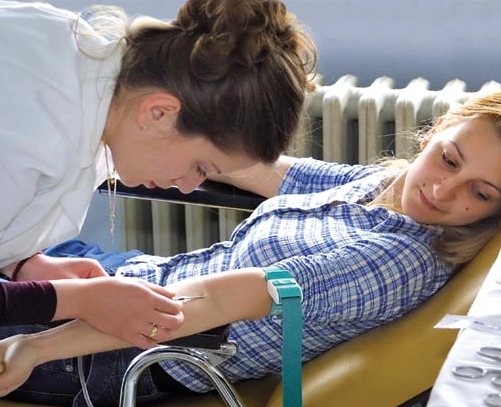
How to Become a phlebotomist: Step-by-Step Guide to Launch Your Medical Phlebotomy Career
Are you interested in entering the healthcare field? Do you enjoy helping others and working in a fast-paced environment? Becoming a phlebotomist coudl be the perfect career path for you. As a vital member of medical laboratories and clinics, phlebotomists play a crucial role in collecting blood samples for testing and diagnosis. This complete guide will walk you through the step-by-step process of becoming a certified phlebotomist and launching a rewarding career in medical phlebotomy.
Why Choose a Career in Medical Phlebotomy?
- High demand: The need for qualified phlebotomists is increasing due to expanding healthcare services and aging populations.
- Good job prospects: Opportunities are available in hospitals, clinics, blood banks, and diagnostic laboratories.
- Competitive salary: Entry-level salaries typically range from $30,000 to $40,000 annually, with potential for growth.
- Fulfilling work: Helping diagnose illnesses and saving lives makes this a meaningful profession.
Step 1: Understand the Role of a Phlebotomist
Before embarking on your journey, it’s essential to understand what a phlebotomist does.Responsibilities include:
- Drawing blood from patients safely and hygienically
- Labeling and handling blood samples accurately
- maintaining cleanliness and safety protocols in the workplace
- Communicating with patients and alleviating their anxieties
- Following healthcare regulations and documentation procedures
Step 2: Meet Educational and Age Requirements
Most employers require at least a high school diploma or GED to start training as a phlebotomist. In some cases, a college degree in health sciences is advantageous. Additionally:
- Be at least 18 years old (varies by state)
- Possess basic math and reading skills
- Have a clean criminal background check
Step 3: Complete a Certified Phlebotomy Training programme
The core of launching your phlebotomy career lies in proper training. Enroll in an accredited phlebotomy training program that covers both theoretical knowledge and practical skills. Training options include:
- Community colleges
- Vocational schools
- Online courses with in-person labs
- Hospital-based programs
What Does the training Cover?
- Anatomy and physiology of the circulatory system
- Blood collection techniques and safety protocols
- Infection control procedures
- Specimen handling and processing
- Patient interaction and interaction skills
Step 4: Obtain Certification
While certification requirements vary by state, earning a certified phlebotomy technician (CPT) credential considerably enhances employment prospects. Popular certifying agencies include:
| Certifying Agency | Certification Name | Requirements | Validity |
|---|---|---|---|
| American Society for Clinical Pathology (ASCP) | Certified Phlebotomy Technician (CPT) | 3 years, renewable | |
| National Healthcareer Association (NHA) | Certified Phlebotomy Technician (CPT) | 3 years, renewable | |
| American Medical Certification Association (AMCA) | Phlebotomy Technician Certification (CPT) | 5 years, renewal required |
Step 5: Gain Practical Experience
Hands-on experience is vital for building confidence and expertise. Many training programs include clinical rotations in healthcare settings. To further improve skills:
- Volunteer at local clinics or blood drives
- seek internships or part-time roles in healthcare labs
- Attend workshops and continuing education courses
Step 6: Apply for Phlebotomy Jobs
With your certification and practical experience, you are ready to apply for positions. start by exploring job listings in:
- Hospitals and clinics
- Blood donation centers
- Diagnostic laboratories
- Home healthcare services
Prepare a professional resume highlighting your training, certification, and any relevant experience. Be prepared for interviews by practicing patient interaction scenarios and demonstrating your technical skills.
Additional Tips for Success as a Phlebotomist
- Develop excellent communication skills: Comfort and reassurance are vital when working with anxious patients.
- Prioritize safety and hygiene: Always follow OSHA guidelines and infection control protocols.
- Stay current with industry trends: Attend seminars and pursue advanced certifications like IV therapy or echocardiography.
Case Study: From Novice to Expert in Phlebotomy
Jane Doe, a recent graduate, started her phlebotomy career after completing an accredited training program and achieving certification through the NHA. She volunteers at community blood drives during weekends and applies for entry-level positions.Within a year, Jane gained experience in high-pressure hospital environments and is now pursuing specialized certifications. Her journey exemplifies how dedication and continuous learning can lead to a successful and fulfilling career in medical phlebotomy.
Practical Tips for Aspiring Phlebotomists
- Practice drawing blood techniques regularly to improve proficiency.
- Build good rapport with patients to ease their anxiety.
- Maintain a professional attitude and appearance at all times.
- Join professional associations like the National Phlebotomy Association for networking and resources.
Conclusion
Embarking on a career as a phlebotomist offers a path to meaningful work in the healthcare sector with promising job prospects and personal fulfillment. By following the structured steps of understanding the role, obtaining the necessary education and certification, gaining practical experience, and actively seeking employment opportunities, you can successfully launch your medical phlebotomy career.Remember, dedication, continuous learning, and a compassionate approach to patient care are key to becoming a top-notch phlebotomist. Start your journey today and contribute to the vital world of healthcare!