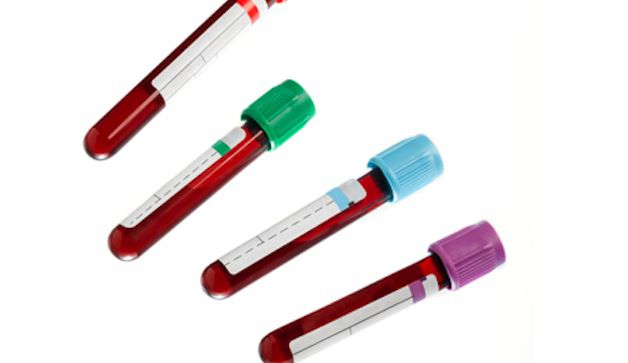
How to Become a Certified Phlebotomy Technician: A Step-by-Step Guide to Launching Your Healthcare Career
Embarking on a career as a certified phlebotomy technician is a rewarding pathway into the healthcare industry. Whether you’re passionate about helping people or looking for a stable and growing profession, becoming a certified phlebotomy technician opens numerous doors in clinics, hospitals, and laboratories. This comprehensive guide will walk you through each step of the process, from initial training to certification and beyond, ensuring you’re well-equipped to succeed in this vital healthcare role.
Why Choose a Career as a Phlebotomy Technician?
phlebotomy technicians play a crucial role in patient care by drawing blood for tests, transfusions, or research. The increasing demand for blood tests and laboratory diagnostics makes this profession one of the fastest-growing healthcare careers. Benefits include:
- High job stability and demand
- Competitive entry-level salaries
- Opportunities for advancement in healthcare
- flexible work environments
- Rewarding work helping patients and medical teams
How to Become a Certified Phlebotomy Technician: A Step-by-Step Guide
Step 1: Understand the Role and Qualifications
Before diving into training, it’s vital to comprehend what being a phlebotomy technician entails. Key qualifications include:
- Minimum high school diploma or GED
- Good communication and patient care skills
- Manual dexterity and attention to detail
- Pass a certification exam
Familiarity with medical terminology and basic anatomy also boosts your chances of success.
Step 2: research State and Industry Requirements
Requirements for phlebotomy certification vary by state and employer.Some states mandate specific licensing or certification, while others do not. It’s crucial to:
- Check state health department regulations
- Identify recognized certification bodies (like NHA, ASCP, or AMCA)
- Determine whether certification is mandatory in your area
Doing thorough research ensures you meet all legal and professional standards.
Step 3: Enroll in a Phlebotomy Training Program
Choose an accredited training program to acquire the necessary skills and knowledge. Options include:
- Community colleges
- Vocational schools
- Online courses with practical components
ensure the program covers:
- Anatomy and physiology
- Blood collection techniques
- Safety and infection control
- Patient interaction skills
Step 4: Complete Clinical Practice and Hands-On Experience
Practical experience is vital. Most programs include supervised clinical practice, where you’ll gain real-world skills in blood collection. Tips for success:
- Arrive prepared and eager to learn
- Ask questions and seek feedback
- Practice good hygiene and safety protocols
Step 5: Prepare and pass the Certification Exam
After completing your training, prepare rigorously for your certification exam. Resources include:
- Practice tests provided by certifying organizations
- Study guides and review courses
- flashcards and online forums
Most certifying bodies offer exams that assess your knowledge of blood withdrawal techniques, safety standards, and patient care.Successfully passing earns your official certification.
Step 6: Apply for Jobs and Maintain Certification
With certification in hand, start applying for phlebotomy technician positions. Consider internships or entry-level roles to gain experience. Also, remember to:
- Maintain certification through continuing education
- Renew your certification as required (often every 2 years)
- Stay updated on industry best practices
Benefits of Certification for Phlebotomy Technicians
Being a certified phlebotomy technician enhances your professional profile and opens more employment opportunities.Certification signifies:
- validated skills and knowledge
- Higher earning potential
- Employer trust and credibility
- Eligibility for advanced roles in healthcare
- Compliance with state and industry standards
Practical Tips for Aspiring phlebotomy Technicians
- Choose an accredited training program: Ensure your program meets industry standards.
- Gain hands-on experience: Prioritize practical training during your coursework.
- Network within the industry: connect with professionals and join relevant associations.
- Practice patient interaction: Develop empathy and communication skills.
- Stay informed: Keep up with new blood collection techniques and safety protocols.
Case Studies and First-Hand Experience
Many accomplished phlebotomy technicians began their careers with a simple passion for healthcare. For exmaple, Jenna, a recent graduate, shared: “Getting certified and gaining practical experience helped me land my first job within three months. The hands-on practice was invaluable.”
Hearing real stories underscores that with dedication and proper training, you can successfully transition into this rewarding healthcare career.
Final Words: Launch Your Healthcare career as a Certified Phlebotomy Technician
Becoming a certified phlebotomy technician is an accessible and fulfilling way to start a career in healthcare. By following the steps outlined – from understanding the profession, obtaining quality training, passing certification exams, and gaining practical experience – you’re well on your way to making a difference in patients’ lives and building a stable, rewarding future in the medical field. Take the first step today and watch your healthcare career take shape!
Recognized Certification Organizations for Phlebotomy Technicians
| Certification Body | Certification Name | Validity Period |
|---|---|---|
| National Healthcareer Association (NHA) | Certified Phlebotomy Technician (CPT) | 2 years |
| American Society for Clinical Pathology (ASCP) | Phlebotomy technician Certification (PBT) | 3 years |
| American Medical Certification Association (AMCA) | Registered Phlebotomy Technician (RPT) | 2 years |
becoming a certified phlebotomy technician involves dedicated training, certification, and practical experience.It’s a profession that offers stability, growth, and the satisfaction of helping others. Start your journey today by choosing the right program, preparing thoroughly, and embracing the exciting opportunities that lie ahead in your healthcare career.