Explore Top Opportunities: How to Land your Dream Drawing Blood Jobs Today
A practical, step-by-step guide to breaking into phlebotomy, earning the right certification, and landing rewarding blood-drawing roles in hospitals, clinics, and beyond.
Introduction: Why a Career in Drawing Blood Is a Smart Move
If you’re fascinated by healthcare and want a fast, impactful entry point into the medical field, a career in drawing blood-phlebotomy-offers a rewarding path.Phlebotomists collect blood samples for diagnostic testing, transfusions, and research. The demand for skilled blood-drawing professionals remains steady, with hospitals, outpatient clinics, diagnostic laboratories, and mobile phlebotomy services continually seeking capable team members.
In this guide, you’ll learn how to position yourself to land your dream drawing blood job today. We’ll cover education and certification, career pathways, practical job-search strategies, salary expectations, and real-world case studies. Read on to turn your interest in healthcare into a concrete, fulfilling career.
Understanding the Role: What a Phlebotomist Does
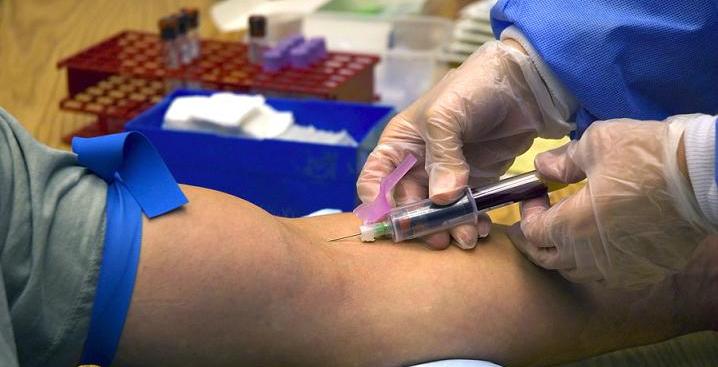
Phlebotomists are trained professionals who prepare patients, collect blood samples using proper techniques, label specimens, and transport them to laboratories. While the core duty is blood collection, many roles also involve patient interaction, safety and infection control, specimen handling, and electronic health record (EHR) documentation.
Key responsibilities typically include:
- verifying patient identity and collecting blood samples according to standard procedures
-
-
Education and Certification: The Foundation of a Phlebotomy Career
Moast dream-draw jobs require formal training and certification. Requirements vary by country, state, and employer, but the following framework is common in many regions, especially North America and parts of Europe:
- High school diploma or equivalent (GED) as a baseline
- Phlebotomy training program (typically 1-6 months)
- Certification through a recognized organization (example: CPT – Certified Phlebotomy Technician, or equivalent)
- CPR or basic life support (BLS) certification, often preferred or required
- State or regional licensure (where applicable)
Training programs focus on blood-drawing techniques, anatomy basics, specimen handling, safety, patient dialog, and ethics. Certification demonstrates competency and commitment-two factors hiring managers look for when screening applicants.
Paths to Your Dream Job: how to Start Today
Whether you’re transitioning from another healthcare role or entering the field for the first time, there are multiple pathways to becoming a certified phlebotomist and landing your dream job:
- Community college or vocational school phlebotomy programs
- Hospital-run training and internship opportunities
- Private phlebotomy schools offering accelerated certificates
- Employer-sponsored training programs with a commitment to hire
- online coursework paired with hands-on practice through a local lab or clinic
Practical Steps to Land Your Dream Drawing Blood Job Today
- Invest in a recognized certification: Choose a widely accepted program and ensure it aligns with your region’s requirements. A credential from a respected organization boosts your credibility and job prospects.
- Build a target-ready resume: Highlight hands-on clinical rotations, safety training, patient communication, and any electronic health record experience. Use keywords like “phlebotomy,” “blood collection,” ”specimen handling,” and “venipuncture” in natural contexts.
- Develop a compelling cover letter: Explain your motivation for phlebotomy, your patient-care philosophy, and your commitment to accuracy and safety.
- Network strategically: Reach out to hospital career portals, local clinics, and lab networks. Use LinkedIn to connect with phlebotomy supervisors and hiring managers.
- Prepare for interviews: Expect questions about safety practices, handling anxious patients, and how you manage pre-analytic variables. Have concise stories ready that demonstrate reliability and compassion.
- Practice soft skills: Empathy, clear communication, attention to detail, and the ability to work well under pressure are essential in fast-paced healthcare settings.
- Stay compliant and current: Maintain CPR/BLS certification and stay informed about updated safety standards and specimen handling guidelines.
Resume and Interview Tips for Phlebotomy Roles
To stand out in a crowded market,tailor your resume to highlight relevant skills and experiences. Consider the following:
- Quantify your impact: number of specimens collected per shift, error rates minimized, or patient satisfaction improvements.
- Emphasize safety and compliance: infection control,proper labeling,chain-of-custody.
- Include hands-on experience: clinical rotations, externships, or volunteer work in labs or clinics.
- Showcase teamwork: collaboration with nurses, lab technicians, and physicians.
- Prepare a one-minute elevator pitch that communicates your passion for patient care and precision.
Salary, Benefits, and Job Outlook
Phlebotomy offers a compelling blend of stability, possibility for advancement, and a clear pathway to more specialized roles within healthcare. Salary ranges vary by location, experience, and setting, but here are typical trends to guide expectations:
- Entry-level phlebotomists often start between $32,000 and $40,000 per year depending on region.
- Experienced professionals and those with additional certifications may earn $40,000-$55,000 or more.
- Shift differentials, weekend pay, and benefits (healthcare, retirement plans) add value to total compensation.
- Job growth is steady, driven by ongoing diagnostic testing needs, aging populations, and expanding outpatient care.
Benefits and practical Tips for Sustained Success
- Certifications open doors: Additional credentials such as immunology,specimen processing,or blood-dborne pathogen safety can unlock better positions.
- keep learning: Attend workshops, participate in hospital in-services, and stay current on lab technology and safety protocols.
- Explore diverse settings: Hospitals, clinics, diagnostic labs, blood banks, and mobile phlebotomy services each offer unique experiences and growth paths.
- Care for yourself: Phlebotomy can be physically demanding. Prioritize ergonomics, proper lifting techniques, and stress management.
- Plan a long-term career ladder: Use phlebotomy as a stepping-stone toward roles like specimen processor, medical assistant, or clinical laboratory technician with additional schooling.
Case studies: Real-world Paths to Dream Jobs
Thes concise, anonymized stories illustrate how different paths can lead to fulfilling blood-drawing roles:
- Case Study A: A career changer with a nursing assistant background completed a 12-week phlebotomy program, earned CPT certification, and secured a role in a large hospital’s outpatient lab, where steady hours and continuing education opportunities helped her grow into a lead phlebotomist role.
- Case study B: A high school graduate enrolled in a community college program,earned phlebotomy certification in three months,and landed a part-time evening shift at a regional diagnostic lab,eventually transitioning to full-time with benefits.
- Case Study C: A caregiver with strong people skills pursued phlebotomy certification to complement her healthcare background; she found a role at a mobile phlebotomy service, enjoying flexible schedules and patient interaction across multiple sites.
Top Opportunity Sectors for Phlebotomists
Different settings offer unique experiences, compensation, and opportunities for growth. The table below summarizes typical roles, requirements, and advantages.
| Setting | Typical Roles | Key Requirements | Pros / Cons |
|---|---|---|---|
| Hospitals | Phlebotomy Technician, Specimen Collection Team Member | Certification, CPR/BLS, hospital safety training | Stable schedules, higher earning potential, fast-paced; may require shift work |
| Clinics & Community Health Centers | Clinic Phlebotomist, Outreach collection | Certification, customer-service skills | Steady hours, patient-facing role, potential for growth into other clinic roles |
| Diagnostic Laboratories | Specimen Collection Technician, Frontline Lab Support | Certification, attention to specimen integrity | focus on accuracy and turnaround time, may involve longer processing cycles |
| Mobile Phlebotomy Services | Mobile Phlebotomist, Home Visit Collector | certification, reliable transportation, strong communication | Flexible schedules, varied environments, driving time impacts productivity |
Practical Tips and Frequently Asked Questions
Practical Tips
- Choose a reputable program that offers hands-on clinical practice and exam-based certification.
- Target employers that value direct patient interaction-these roles frequently enough lead to higher job satisfaction.
- Continue education after your first job by seeking advanced phlebotomy certifications or laboratory tech pathways.
Frequently Asked Questions (FAQs)
- Do I need a license to practice phlebotomy?
- Requirements vary by country and state. In many places, certification is preferred or required, with licenses in certain regions.
- Is phlebotomy a good long-term career?
- Yes. It provides steady demand, room for advancement (e.g., to lab tech roles), and opportunities across healthcare settings.
- How long does it take to become a certified phlebotomist?
- most programs run 1-6 months, depending on the depth of training and scheduling options.
Conclusion: Start Today, Land Your Dream Drawing Blood Job
Drawing blood is a critical, compassionate, and technically precise healthcare function. With the right training, certification, and a proactive job-search strategy, you can unlock rewarding opportunities in hospitals, clinics, laboratories, and mobile health services. Begin with a solid certification plan, tailor your resume to highlight phlebotomy-specific skills, and network with employers who value patient care and accuracy. The path to your dream drawing blood job is within reach-take the first step today, stay persistent, and continuously invest in your professional growth.
If you’re ready to take the next step, start by researching reputable phlebotomy programs near you, compare certification options, and reach out to local healthcare facilities about internship opportunities. Your future in phlebotomy starts now.