Unlock Your Future: A Comprehensive Guide to Becoming a National Certified Phlebotomy Technician
Are you looking for a rewarding career in the healthcare field? Becoming a National Certified Phlebotomy Technician (NCPT) could be the perfect path for you. Phlebotomy technicians are essential healthcare professionals who specialize in drawing blood for tests, transfusions, or donations. In this comprehensive guide, we’ll explore everything you need to know about becoming an NCPT, including the benefits, requirements, and practical tips to help you succeed in this rewarding vocation.
What is a Phlebotomy Technician?
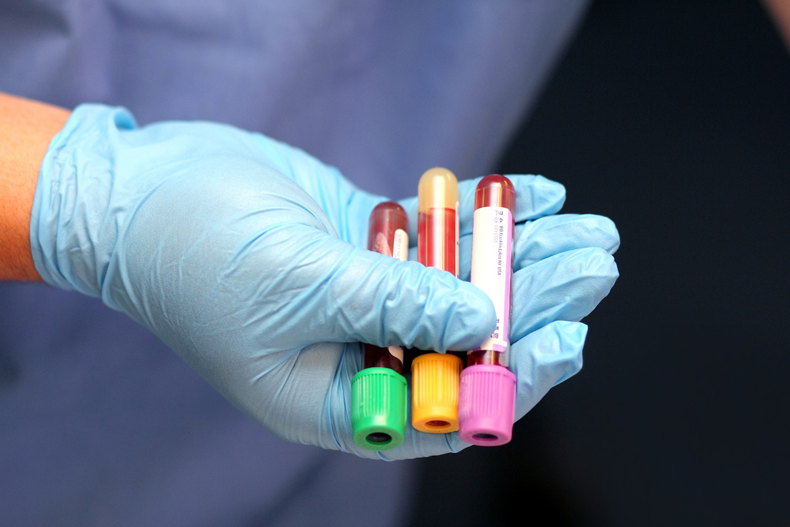
A phlebotomy technician is a trained healthcare professional who performs venipunctures (drawing blood from patients) and ensures the safe handling of specimens. Their responsibilities may include:
- Collecting blood samples for laboratory testing
- Maintaining strict adherence to safety protocols and hygiene
- Labeling specimens accurately
- Comforting and informing patients throughout the process
Why Become a National Certified Phlebotomy Technician?
Becoming a National Certified Phlebotomy Technician offers numerous benefits:
- High Demand: The healthcare sector is rapidly growing, increasing the demand for skilled phlebotomy technicians.
- Job Flexibility: Phlebotomists can work in a variety of settings, including hospitals, laboratories, blood donation centers, and more.
- Competitive Salary: With experience and certification, phlebotomists can earn a competitive salary in the healthcare field.
- Career Advancement: Beginning as a phlebotomist opens doors to further opportunities in nursing, laboratory science, or medical technology.
Requirements to Become a National Certified Phlebotomy Technician
- High School Diploma or GED: The first step is to obtain a high school diploma or equivalent.
- Complete a Phlebotomy Training Program: Enroll in a phlebotomy training program accredited by a recognized institution. Programs typically last from a few weeks to several months.
- Clinical Experience: Gain hands-on training through clinical placements as part of your training program.
- Pass a Certification Exam: After completing your training, you must pass the certification exam offered by an accredited certifying body, like the National Center for Competency Testing (NCCT).
- Continuing Education: Maintain your certification with continuing education credits to stay current in the field.
Steps to Becoming a National Certified Phlebotomy Technician
Here is a step-by-step guide to achieving your goal:
Step 1: Research Phlebotomy Training Programs
Look for accredited training programs in your area. Consider factors like program length, costs, and student reviews.
Step 2: Enroll and Complete Training
Upon finding a suitable program, enroll and complete the required coursework. Expect to learn about anatomy, blood collection techniques, and patient care.
Step 3: Get Hands-On Experience
Participate in clinical rotations to gain valuable hands-on experience under the supervision of experienced phlebotomy technicians.
Step 4: Prepare for the Certification Exam
Study for your certification exam using materials provided by your training program and additional resources available online.
Step 5: Register for the Certification Exam
Once you feel prepared, register for your exam with an accredited agency. Schedule your exam date and pay any applicable fees.
Step 6: Take the Certification Exam
On the day of the exam, stay calm and do your best. The certification demonstrates your proficiency and enhances your job prospects.
Practical Tips for Aspiring Phlebotomists
- Stay Organized: Keep track of all your paperwork, study materials, and clinical experience documentation.
- Network: Connect with industry professionals to gain insights and job opportunities.
- Practice Communicating: You will significantly benefit from strong interpersonal skills, as patient interaction is a crucial part of the role.
- Join Professional Organizations: Becoming a member of organizations like the American Society for Clinical Pathology (ASCP) can provide valuable resources and networking opportunities.
Real-Life Experiences: What Phlebotomy Technicians Say
Here are a few inspiring testimonials from certified phlebotomy technicians:
| Name | Background | Experience |
|---|---|---|
| Sarah J. | Recent Graduate | “Being a phlebotomist is incredibly rewarding. I love interacting with patients and helping them feel comfortable.” |
| James R. | 5 Years of Experience | “I found my passion for healthcare through phlebotomy. The opportunities for advancement are endless!” |
| Emily T. | Career Changer | “Transitioning to phlebotomy has changed my life. I enjoy making a difference every day.” |
Conclusion
Becoming a National Certified Phlebotomy Technician is an achievable dream for many aspiring healthcare professionals. With the right training and dedication, you can unlock your future in this essential field of medicine. Whether you’re just starting your career or considering a change, phlebotomy offers numerous opportunities for personal and professional growth. Take the first step today and embark on your journey to becoming an NCPT!