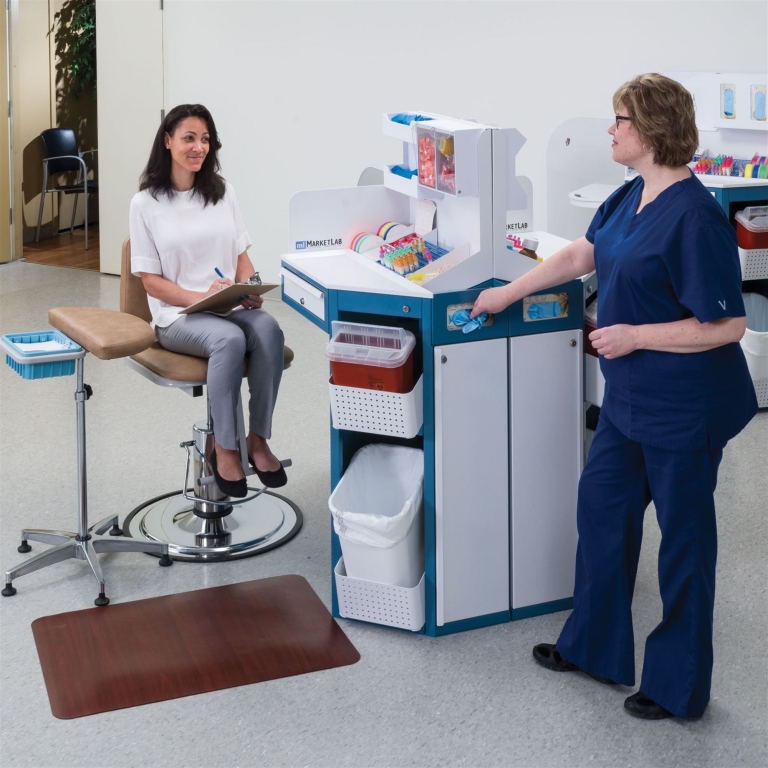
Become a Skilled Phlebotomy Assistant: Yoru Essential Guide to Starting a Healthcare Career
are you interested in entering the healthcare industry but unsure where to start? Becoming a phlebotomy assistant is an excellent pathway to kickstart your medical career. This role plays a vital part in patient care by assisting with blood collection, supporting medical teams, and gaining firsthand healthcare experience. In this comprehensive guide, we’ll explore how to become a skilled phlebotomy assistant, including necessary training, certification, benefits, practical tips, and real-world insights to help you embark on this rewarding career journey.
What is a Phlebotomy Assistant?
A phlebotomy assistant is a healthcare professional responsible for helping licensed phlebotomists or medical staff with blood collection and related tasks. While the specific duties can vary depending on the healthcare setting, the core duty revolves around collecting blood samples safely, efficiently, and with compassionate patient care.
This role often serves as a stepping stone toward becoming a certified phlebotomy technician or advancing into other healthcare professions such as nursing,laboratory technology,or medical assisting.
Why Choose a career as a Phlebotomy Assistant?
- Entry-Level Opportunity: Minimal prerequisites and fast training pathways.
- High Demand: Increasing need across hospitals, clinics, and diagnostic labs.
- Foundation in Healthcare: Gain hands-on experience vital for advancing your medical career.
- Respectful Patient Interaction: Develop strong communication and empathy skills.
- Flexible Work Opportunities: Many roles offer part-time, full-time, or temporary positions.
Steps to Become a Skilled Phlebotomy Assistant
1. Meet Basic Requirements
Before starting your journey, ensure you meet the basic requirements:
- Possess a high school diploma or equivalent
- Be at least 18 years old
- Demonstrate good dexterity and hand-eye coordination
- Have excellent communication skills and compassion
2. Enroll in a Phlebotomy Training Program
Comprehensive training is essential for developing the necessary skills. Look for accredited programs that cover:
- Anatomy and physiology
- Blood collection techniques
- Safety and infection control
- Patient interaction and communication
- Lab procedures and specimen handling
These courses typically last from a few weeks to a few months, depending on the program.
3. obtain Certification (Optional but Recommended)
While certification requirements vary by state and employer, earning a certified phlebotomy assistant (CPA) credential can significantly boost your job prospects.Certification demonstrates your competence and commitment to the profession.
| Certification Body | Certification Name | eligibility Requirements |
|---|---|---|
| National Healthcareer Association (NHA) | Certified Phlebotomy Technician (CPT) | Completion of training program & supervised practice |
| American Society for Clinical Pathology (ASCP) | Phlebotomy Technician (PBT) Certification | Training + work experience or education credits |
| American Allied Health Association (AAHA) | Certified Phlebotomy Assistant (CPA) | Varies by program, generally includes coursework & practical skills |
4. Gain Practical Experience
Most training programs include hands-on practice. Additionally, seeking internships or volunteering opportunities in clinics or hospitals can enhance your skills and confidence.
5. Apply for Phlebotomy Assistant Positions
start your job search with hospitals, outpatient clinics, laboratories, and urgent care centers. Be sure to prepare a professional resume highlighting your training,certifications,and patient care experience.
Essential Skills and Qualities of a Successful phlebotomy Assistant
- Attention to detail
- Strong communication skills
- Steady hands and dexterity
- Patience and empathy
- Ability to handle stressful or challenging situations
Benefits of Working as a Phlebotomy Assistant
Choosing a career as a phlebotomy assistant offers numerous advantages that make it an attractive healthcare entry point:
- Fulfilling Work: Making a direct impact on patient health and diagnostic processes.
- Career Advancement: Opportunities to pursue certification, further training, or specialize in areas like pediatric or forensic phlebotomy.
- Job Stability: The healthcare sector’s consistent growth ensures steady employment opportunities.
- Competitive Salary: Entry-level positions offer solid pay, with potential increases after certification and experience.
Practical Tips for Aspiring Phlebotomy Assistants
- Invest in quality training from reputable programs.
- Develop excellent patient communication skills to ease fears and improve cooperation.
- Practice your blood draw techniques diligently during training.
- Keep up-to-date with safety protocols and infection control standards.
- Network with professionals in the healthcare field for guidance and job opportunities.
Case Study: From Novice to Professional
Meet Sarah, a recent graduate who started as a volunteer at a local clinic.After completing her phlebotomy training and earning her certification, she secured a position as a phlebotomy assistant at a busy hospital. With ongoing experience, Sarah advanced to a lead technician role, specializing in pediatric blood draws. Her journey highlights the importance of training, certification, and a proactive attitude in building a successful healthcare career.
First-Hand Experience: What to expect
Starting as a phlebotomy assistant can be both challenging and rewarding.Expect to encounter:
- patient anxiety or resistance—your empathetic approach will be crucial.
- fast-paced surroundings, especially in hospital settings.
- the need for precision and adherence to safety standards.
Most new assistants report increased confidence and skill within a few months of practice, making this a great entry point in healthcare.
Conclusion
Becoming a skilled phlebotomy assistant is a fantastic way to launch or advance your healthcare career. With proper training, certification, and a compassionate approach to patient care, you can open doors to numerous opportunities in medical laboratories, hospitals, clinics, and beyond. The demand for qualified phlebotomy assistants continues to grow, making it a reliable, rewarding, and accessible career path. Start your journey today and make a meaningful difference in the community’s health!