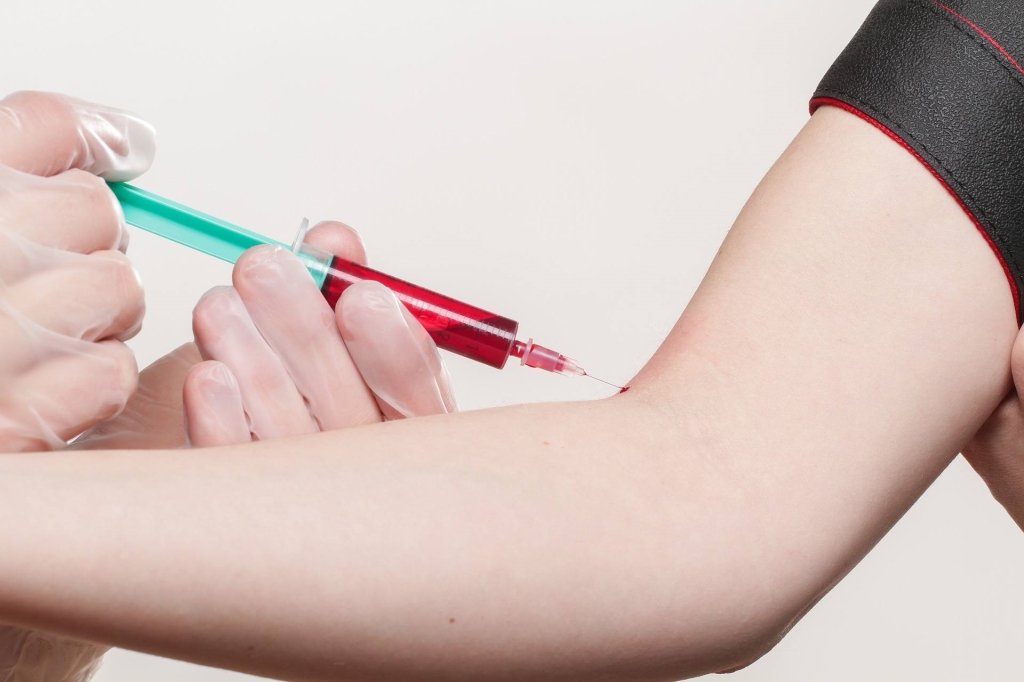
How to Earn Your Medical Assistant Phlebotomist Certification: Requirements, Benefits, and Career Opportunities
If you’re passionate about healthcare and looking to specialize as a phlebotomist within a medical assisting role, obtaining your medical assistant phlebotomist certification is a smart move. This certification not only enhances your skills but also opens the door to diverse career opportunities in hospitals, clinics, laboratories, and more. In this thorough guide, we’ll walk you through the requirements, benefits, practical tips, real-life case studies, and the promising career prospects that come with earning your certification.
introduction
The healthcare industry is constantly evolving, demanding highly skilled professionals who can perform specialized duties with accuracy and compassion. Phlebotomy — the art of drawing blood — is a vital component of diagnostic testing and patient care. As a medical assistant with a phlebotomy specialization,your role becomes even more valuable,bridging clinical skills and patient interaction. Earning your phlebotomist certification as part of your medical assisting credentials not only boosts your expertise but also enhances your job prospects and earning potential.
Requirements for Earning your Medical Assistant Phlebotomist Certification
While requirements can vary slightly by state and certifying agency, the general qualifications tend to be consistent. Here’s what you need to get started:
Educational Requirements
- High school diploma or GED equivalency
- Completion of a medical assisting program that includes phlebotomy training
Phlebotomy Training
- Enrollment in an accredited phlebotomy training program or course
- Hands-on practical experience with blood collection techniques
- Knowledge of safety protocols and infection control
Certification Examination
- Preparation for the certifying exam, typically offered by organizations such as the American Society for Clinical Pathology (ASCP), National healthcareer Association (NHA), or other accredited agencies
- Passing the exam to earn the Certified Medical Assistant Phlebotomist credential
Additional Licenses or State-Specific Requirements
- Some states may require licensure or registration for phlebotomists or medical assistants
- Check local state regulations to ensure compliance
Practical Tips for Compliance
- Ensure your training program is accredited
- Maintain documentation of your clinical rotations and practical hours
- Stay updated on licensing requirements in your state
Completing these requirements positions you well to succeed in your certification exam and beyond.
Benefits of Earning a Medical Assistant phlebotomist Certification
Obtaining your certified phlebotomist credential offers numerous professional and personal advantages:
Enhanced Skill Set and Confidence
- Proficiency in blood collection techniques
- Knowledge of sterile procedures and patient safety
- Increased confidence when performing clinical tasks
Increased Employability and Earning potential
- More job opportunities in clinics, hospitals, and laboratories
- higher salary prospects compared to non-certified counterparts
- Competitive edge in the job market
Career Advancement
- Pathway to specialized roles like vascular access or laboratory technician
- Opportunity to pursue further certifications and education
- Potential to move into supervisory or training roles
Personal Satisfaction and Professional Recognition
- Recognition by employers and colleagues
- Increased job satisfaction from mastering specialized skills
becoming certified as a medical assistant phlebotomist significantly boosts your career trajectory and professional credibility.
Exciting Career Opportunities for Certified Medical Assistant Phlebotomists
With your certification, a wide range of rewarding career paths becomes accessible:
| Career Path | Work Environments | Salary range (Approx.) |
|---|---|---|
| Phlebotomist in Hospitals | Hospitals, diagnostic labs | $35,000 – $50,000 annually |
| Clinical Laboratory Technician | Medical labs, research facilities | $40,000 - $60,000 annually |
| Mobile Phlebotomy Technician | home collections, clinics | $30,000 – $45,000 annually |
| Medical Assistant with Phlebotomy Specialty | Primary care clinics, urgent care | $28,000 – $42,000 annually |
| Vascular Access Technician | Hospitals, dialysis centers | $45,000 – $70,000 annually |
Each of these roles leverages your phlebotomy skills combined with your medical assisting training, creating diverse opportunities for specialization and leadership.
Practical Tips for Successfully Earning Your Certification
- Choose an accredited program: Verify that your training includes both classroom and practical components.
- Gain hands-on experience: Seek internships or volunteer opportunities to practice blood draws in real settings.
- Prepare thoroughly for the exam: Use practice tests, study guides, and review official materials.
- Stay current: Follow updates from certifying bodies and healthcare regulations.
- Network professionally: Connect with industry experts through associations and job fairs.
Applying these tips will enhance your chances of success and help you build a strong foundation for your career in healthcare.
Real-Life Case Studies: Success Stories
Case Study 1: From Medical Assistant to Phlebotomy specialist
Jane, a healthcare professional, completed a certified phlebotomy course and earned her certification while working as a medical assistant. She specializes now in difficult blood draws at a busy hospital and earns a higher income. Her enhanced skills led to a promotion and recognition from her peers.
Case Study 2: Transitioning to a Laboratory Technician Role
Mike, initially a medical assistant, obtained his phlebotomist certification. With additional training, he transitioned into a laboratory technician role, working in diagnostic testing laboratories and expanding his career options.
These stories highlight how certification can serve as a stepping stone to diverse, fulfilling healthcare careers.
Conclusion
Obtaining your medical assistant phlebotomist certification is a strategic move towards a rewarding and dynamic healthcare career. By meeting the educational and practical requirements, leveraging the vast benefits, and exploring diverse career opportunities, you position yourself for professional growth and personal satisfaction.Whether you aspire to work in hospitals, clinics, or laboratories, this certification empowers you with the skills and credibility needed to excel. Start your journey today, invest in your education, and unlock a future full of possibilities in healthcare.