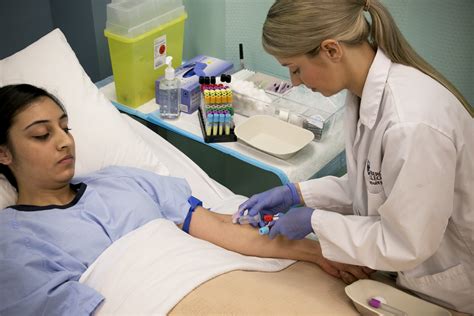
Boost Yoru Skills: Essential Continuing Education Tips for Phlebotomy Professionals
As a dedicated phlebotomy professional, staying ahead in your field requires ongoing learning and skill enhancement. Continuing education not only keeps you compliant with industry standards but also empowers you to provide the best patient care. In this comprehensive guide, we’ll explore effective tips and strategies to boost your skills through continuing education, ensuring you remain a competent and confident professional in the ever-evolving healthcare landscape.
Introduction
Phlebotomy is a vital component of the healthcare system, involving the collection of blood samples for testing, diagnosis, and treatment. The demand for proficient phlebotomists continues to grow, driven by advancements in medical technologies and an increased focus on patient-centered care. To excel,you must commit to continuous learning,leveraging various educational resources and practical experiences. This article offers practical tips to help you maximize your continuing education efforts and advance your career as a phlebotomy professional.
Understanding the Importance of continuing Education for Phlebotomy Professionals
Continuing education is crucial for your professional growth, ensuring you stay current with industry standards, emerging technologies, and patient safety protocols. Regular training enhances your skills, reduces errors, and boosts confidence in performing complex procedures. Moreover, many states and certification bodies require ongoing education for license renewal, making it an essential part of your career maintenance.
Benefits of Ongoing Education in Phlebotomy
- Improved Patient Care: Enhanced skills led to more accurate blood draws and improved patient experience.
- Career Advancement: continuing education can open doors to specialized roles and higher positions.
- Compliance and Certification: Maintains eligibility for certifications like ASCP, NHA, or other regional licenses.
- Personal Growth: Staying engaged keeps your skills sharp and your mind active.
- Networking opportunities: Educational courses often connect you with industry peers and mentors.
Practical Tips for Enhancing Your Continuing Education
1. Stay informed with Industry Trends
follow reputable sources such as industry blogs, professional associations, and healthcare news platforms. Regularly updating your knowledge about new testing methods, safety protocols, and technology improves your competencies.
2. Enroll in Accredited Courses and Workshops
Choose courses accredited by recognized bodies like the American Society for Clinical Pathology (ASCP) or the National Healthcareer Association (NHA). Workshops and seminars offer hands-on training, crucial for skill mastery.
3. Use Online Learning Platforms
Leverage online courses for flexibility and wide-ranging topics. Websites such as Coursera, Udemy, and specific healthcare education portals often feature courses tailored for phlebotomy professionals.
4. Join Professional Associations
Memberships in organizations like the American Society for phlebotomy Technicians (ASPT) or the National Phlebotomy association (NPA) provide access to exclusive resources, industry updates, and networking opportunities.
5. Seek Certification Renewals Promptly
Keep track of your certification renewal deadlines and complete the required continuing education units (CEUs) on time. This prevents lapses in certification and keeps you current with industry standards.
6. Participate in Hands-On Training
Practical skills are paramount in phlebotomy. Attend local training labs, practice in simulated environments, or shadow experienced colleagues to refine your technique and boost confidence.
7. Keep a Continuing Education Log
Document all courses, workshops, and relevant activities. Maintaining a detailed record helps streamline certification renewals and demonstrates your commitment to ongoing learning.
Case Studies: Success Stories of Continuing Education Impact
| Name | Challenge | Solution | outcome |
|---|---|---|---|
| Jane D. | Struggling with challenging blood draws | Attended advanced vein selection and in-depth technique workshops | Notable reduction in failed draws and increased patient satisfaction |
| Mike S. | Needed to learn new blood testing protocols | Completed online courses on the latest technology | Improved accuracy and efficiency in specimen collection and processing |
First-Hand Experience: How Continuing Education Transformed Careers
Many phlebotomists report that ongoing education opens new doors. For example, after completing a specialized training in pediatric phlebotomy, Sarah, a technician, was able to confidently handle pediatric patients, reducing anxiety and improving sample quality.Such experiences illustrate that continuous learning translates into tangible professional growth and better patient outcomes.
Conclusion
Continuous education is the cornerstone of a successful and fulfilling career in phlebotomy. By staying informed about industry advancements, engaging in accredited courses, and practicing your skills regularly, you can enhance your competence and provide remarkable patient care.Remember, investing in your education today paves the way for career growth, certification renewal, and a reputation as a skilled, reliable healthcare professional. Embrace these essential tips, and watch your skills—and your career—reach new heights!