Tracing the Roots: A Fascinating History of Phlebotomy and its Evolution
Phlebotomy, the practice of drawing blood for diagnostic and therapeutic purposes, is a cornerstone of modern medicine. But have you ever wondered where this essential medical procedure originated and how it has evolved over the centuries? In this comprehensive article, we delve into the captivating history of phlebotomy, explore key milestones in its development, and discuss its current practices and future prospects.
Introduction: The Importance and Origins of Phlebotomy
From ancient civilizations to cutting-edge medical laboratories today, the practice of bloodletting and phlebotomy has undergone remarkable transformation. Understanding its roots provides valuable context on how a seemingly simple procedure has impacted human health and healing throughout history. Whether you’re a healthcare professional, a student, or simply curious about medical history, this article offers a detailed journey through the fascinating evolution of phlebotomy.
A brief Historical Overview of phlebotomy
Ancient Civilizations and Early practices
Phlebotomy’s origins trace back thousands of years, with evidence of bloodletting practices in ancient cultures such as Egypt, Greece, and China.Early medical practitioners believed that balancing the body’s humors—blood, phlegm, black bile, and yellow bile—was vital for health. Bloodletting was used as a remedy for various ailments, from fevers to mental health issues.
- Ancient Egypt: Medical papyri show evidence of bloodletting rituals using leeches and sharp tools.
- Ancient Greece: Hippocrates and Galen championed bloodletting as a way to restore humoral balance.
- Traditional Chinese Medicine: Bloodletting through acupuncture or cupping was employed to remove “stagnant blood.”
Medieval and Renaissance Periods
During the Middle ages,bloodletting persisted as a standard treatment,often performed by barbers and barber-surgeons.these practitioners used simple tools like lancets and leeches. It wasn’t until the Renaissance that more scientific approaches emerged, with physicians promoting more precise techniques and understanding of human anatomy.
The Scientific Revolution and Modern Developments
In the 17th and 18th centuries, advances in anatomy and physiology lead to a more systematic approach to bloodletting. however, the perception that bloodletting was a cure-all began to decline with the advent of clinical observation and scientific experimentation. By the 19th century, the practice was increasingly scrutinized and refined.
The Evolution of Phlebotomy: From Bloodletting to Laboratory Practice
Transition from Bloodletting to diagnostic Blood Tests
While bloodletting was frequently enough used to treat ailments, the finding of blood’s role in the body paved the way for diagnostic applications. In the late 19th and early 20th centuries, medical practitioners started to utilize blood samples to diagnose diseases, marking the birth of clinical pathology.
Development of Phlebotomy Devices
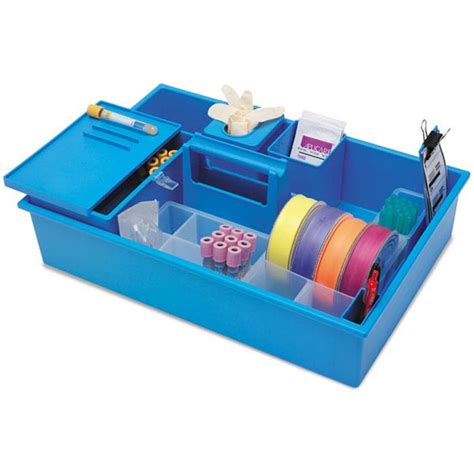
Modern phlebotomy relies heavily on specialized tools designed for safety and efficiency:
- Needles and Vacutainer systems
- Tourniquets for vein visibility
- Alcohol wipes for sterilization
- Collection tubes with anticoagulants
Standardization and Training
With the rise of laboratory diagnostics, phlebotomy became a specialized field with formal training, certification, and adherence to strict hygiene standards. The role of phlebotomists has evolved from that of general healthcare workers to highly trained professionals ensuring patient safety and sample integrity.
Benefits and Practical Tips in Modern Phlebotomy
Benefits of Proper Phlebotomy Techniques
- Accurate diagnostic results
- enhanced patient comfort and safety
- Reduced risk of infections
- Streamlined laboratory operations
Practical Tips for Aspiring Phlebotomists
- Always validate patient identity before blood collection.
- Ensure proper site selection and vein stabilization.
- Use the correct needle size and collection equipment.
- Follow strict sanitation and infection control protocols.
- Communicate calmly and reassure patients throughout the procedure.
Case Study: Implementing Modern Phlebotomy Practices
| Aspect | Details |
|---|---|
| challenge | painful patient experiences leading to sample rejection |
| Solution | Enhanced training, new equipment, patient-centered communication |
| Outcome | Less patient discomfort, higher specimen quality, increased trust |
First-Hand Experiences: The Role of Phlebotomy in Patient Care
Manny patients remember their first blood draw as a stressful experience. Skilled phlebotomists play a vital role in easing anxiety, ensuring comfort, and obtaining high-quality samples.Their expertise considerably impacts diagnostic accuracy and patient outcomes.
Future of Phlebotomy: Innovation and Advancements
Looking ahead, phlebotomy is poised to benefit from technological innovations such as:
- Vein visualization devices
- Automated blood collection systems
- Disposable, self-sterilizing needles
- Remote or home-based blood testing kits
These advancements aim to improve safety, efficiency, and patient comfort, shaping the future of this vital medical field.
Conclusion: Celebrating a Timeless Medical Practice
The history of phlebotomy is a testament to humanity’s ongoing pursuit of health and healing. From ancient bloodletting rituals to today’s complex laboratory techniques, phlebotomy has continually evolved while remaining a fundamental part of medical diagnostics. Whether you’re interested in pursuing a career in healthcare or simply fascinated by medical history, understanding its roots enhances appreciation for this essential practice.As technology advances and practices improve, phlebotomy will continue to play a crucial role in delivering accurate diagnoses and improving patient care worldwide.