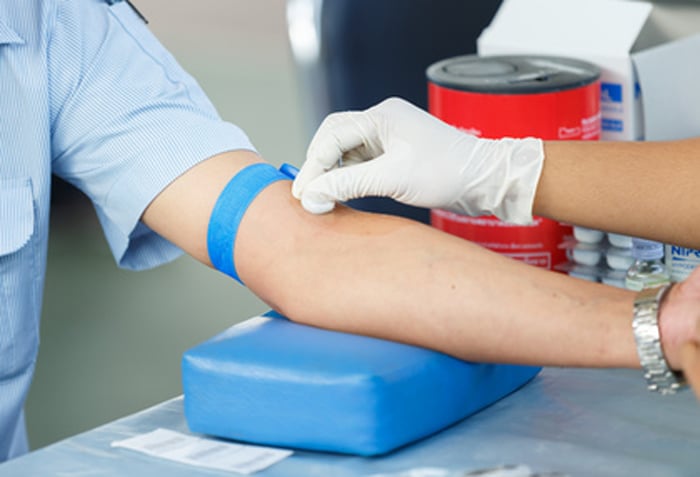
**Title: Mastering the Art of Phlebotomy: A Step-by-Step Guide on How to Become a Phlebotomist**
**Introduction:**
Phlebotomy is a crucial healthcare profession that involves the collection of blood samples for various medical tests and procedures. Becoming a phlebotomist requires specialized training and skills, but it can be a rewarding career for those who enjoy working in a fast-paced medical setting. In this step-by-step guide, we will explore how you can master the art of phlebotomy and become a successful phlebotomist.
**Benefits of Becoming a Phlebotomist:**
Before delving into the steps of becoming a phlebotomist, let’s first discuss some of the benefits of pursuing this career path:
– High demand: Phlebotomists are in high demand in hospitals, clinics, blood banks, and other healthcare facilities.
– Short training period: Most phlebotomy training programs can be completed in a matter of months, allowing you to enter the workforce quickly.
– Job stability: The healthcare industry is always in need of skilled phlebotomists, providing job stability and opportunities for advancement.
– Rewarding work: As a phlebotomist, you play a crucial role in helping diagnose and treat patients, making a positive impact on their lives.
**Step 1: Obtain the Necessary Education and Training**
To become a phlebotomist, you will need to complete a phlebotomy training program. These programs are offered at community colleges, vocational schools, and healthcare facilities. The training will cover essential topics such as anatomy, medical terminology, blood collection techniques, and infection control.
**Step 2: Gain Hands-On Experience**
After completing your phlebotomy training program, it is essential to gain hands-on experience through a clinical internship or externship. This will allow you to practice your skills under the supervision of experienced phlebotomists and prepare you for real-world scenarios.
**Step 3: Obtain Certification**
While certification is not always required to work as a phlebotomist, obtaining certification from a recognized organization such as the National Healthcareer Association (NHA) or the American Society for Clinical Pathology (ASCP) can enhance your job prospects and earning potential.
**Step 4: Develop Strong Communication and Patient Care Skills**
As a phlebotomist, you will interact with patients on a daily basis, so it is essential to develop strong communication and patient care skills. Building rapport with patients and putting them at ease can help make the blood collection process more comfortable for them.
**Practical Tips for Success:**
– Practice good hygiene and follow proper infection control protocols.
– Stay up-to-date on the latest phlebotomy techniques and technology.
– Maintain a calm and professional demeanor, especially when dealing with anxious or difficult patients.
**Conclusion:**
Becoming a phlebotomist requires dedication, training, and a passion for helping others. By following these steps and tips, you can master the art of phlebotomy and embark on a fulfilling career in healthcare. If you are considering a career in phlebotomy, take the first step today and start your journey towards becoming a successful phlebotomist.