Unlock Your Career: A complete Guide to Medical Assistant Phlebotomy certification
Are you aspiring to make a mark in the healthcare industry? Medical assistants with phlebotomy certification are highly sought after, playing a critical role in patient care and laboratory processes. This guide will walk you through everything you need to know about becoming a certified medical assistant specialized in phlebotomy. From the certification process to the advantages it brings, we’ve got you covered!
What is Medical Assistant Phlebotomy Certification?
The Medical Assistant Phlebotomy Certification is a credential that allows medical assistants to perform blood draws and handle specimens safely and efficiently. This certification demonstrates a level of competence and proficiency in phlebotomy practices, ensuring that professionals are well-prepared to contribute to patient care.
Why Pursue a Phlebotomy Certification?
A phlebotomy certification offers numerous advantages:
- Increased Job Opportunities: Certified medical assistants with phlebotomy skills can access a wider range of job roles.
- Higher Earning Potential: Certification often translates to higher wages and better benefits.
- enhanced Skills: Gain specialized skills that improve your qualifications and expertise.
- Patient Interaction: Engage directly with patients, enhancing your communication and interpersonal skills.
Requirements for certification
To obtain a Medical Assistant Phlebotomy Certification, candidates generally must meet the following requirements:
- Education: Completion of a medical assistant program accredited by a recognized body.
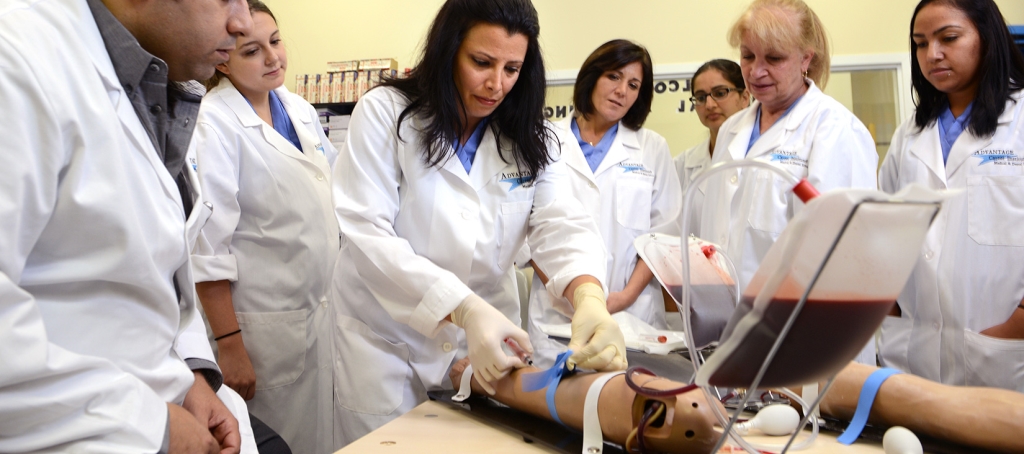
- Training: hands-on experience in phlebotomy, typically acquired through clinical rounds in your education program.
- Examination: Passing a certification exam administered by a recognized certifying organization.
Steps to Get Certified
Follow these steps to achieve your Medical assistant Phlebotomy Certification:
1. Enroll in a Medical Assistant Program
Choose an accredited medical assistant program that offers phlebotomy training as part of the curriculum.
2.Complete Required Coursework
The coursework generally includes anatomy and physiology, medical terminology, and clinical procedures.
3. Gain Practical Experience
Participate in externships or clinical rotations to obtain hands-on experience in phlebotomy.
4. Prepare for the Certification Exam
Study the relevant materials and consider enrolling in a test preparation course or utilizing online resources.
5. Take the Certification Exam
Register for the exam through a recognized certifying organization such as the american Association of Medical Assistants (AAMA) or the National Healthcareer Association (NHA).
6. Maintain your Certification
Stay current with continuing education requirements and renew your certification as needed.
Popular Certifying Organizations
There are several organizations that offer phlebotomy certifications:
| Organization | Certification Offered | Website |
|---|---|---|
| American Association of Medical Assistants (AAMA) | Certified Medical Assistant (CMA) | aama-ntl.org |
| National Healthcareer Association (NHA) | Certified Phlebotomy Technician (CPT) | nationalhealthcareerassocation.org |
| American Society for Clinical Pathology (ASCP) | Phlebotomy Technician (PBT) | ascp.org |
Benefits of Phlebotomy Certification for Medical Assistants
obtaining a phlebotomy certification as a medical assistant can help you:
- Differentiation: Stand out in the job market.
- Professional Growth: Open doors for advancement to supervisory or managerial roles.
- Comprehensive Skills: Gain a more holistic view of patient care through various clinical skills.
Practical Tips for Success
- Network: Connect with industry professionals at seminars, workshops, and online forums.
- Gain Experience: Seek internships or volunteer positions that involve phlebotomy to build your resume.
- Stay Updated: Follow industry trends and developments in phlebotomy to enhance your knowledge.
Case Studies: Success Stories
Here are a couple of brief success stories from certified medical assistants:
Maria’s Journey
After finishing her medical assistant program,Maria completed her phlebotomy certification and landed a job at a local hospital. Within two years, her skills in phlebotomy allowed her to be promoted to a lead position in the lab.
James’ Transition
James worked as a non-certified medical assistant for years. Upon obtaining his phlebotomy certification,he was offered a job at a prestigious clinic and now specializes in pediatric care,enhancing patient experiences.
First-Hand Experience: What to Expect
Transitioning into phlebotomy can be exhilarating but comes with challenges. Here are some common experiences shared by certified medical assistants:
- The excitement of interacting with diverse patients.
- The duty of ensuring accurate blood draws.
- Continuous learning in techniques and patient care.
Conclusion
The Medical Assistant Phlebotomy Certification opens doors to a fulfilling career in healthcare. With ample opportunities for personal and professional growth, this certification equips you with essential skills to excel in the medical field. As the demand for skilled phlebotomists continues to rise, becoming certified can be a strategic move to boost your career. Start your journey today and unlock your potential in the healthcare industry!