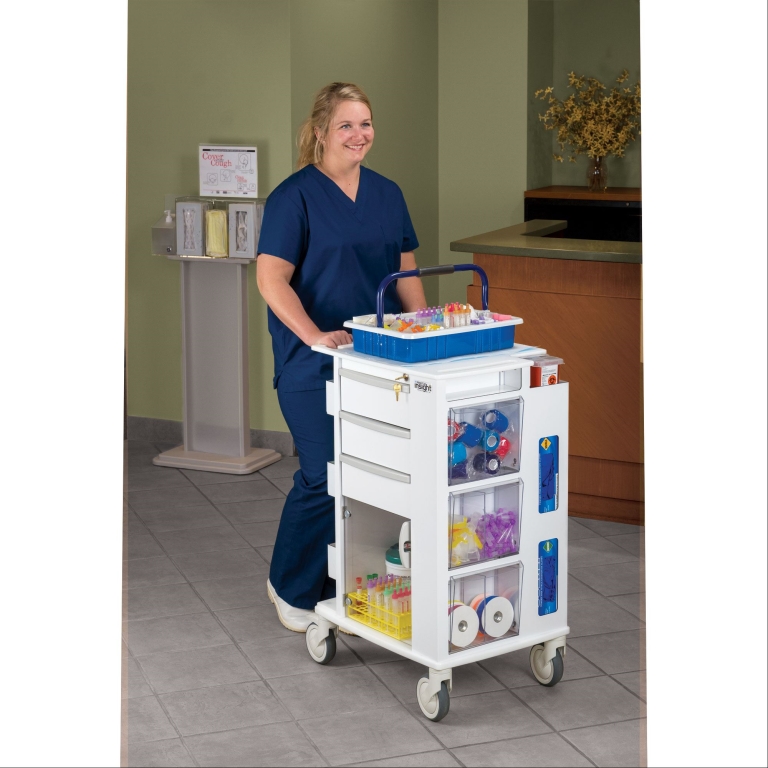
Essential Phlebotomy Technician Requirements: Your Path to a Rewarding Career in Healthcare
Are you fascinated by the healthcare field and looking for a career that combines technical skills, patient interaction, and job stability? Becoming a phlebotomy technician might be the perfect path for you. This article will guide you through the essential requirements to become a successful phlebotomy technician, the benefits of this career, and practical tips to get you started.
What is a Phlebotomy Technician?
A phlebotomy technician is a skilled healthcare professional responsible for drawing blood from patients for medical tests, transfusions, research, or donations. Phlebotomists play a crucial role in the healthcare system, ensuring that blood samples are collected safely and effectively.
Essential Phlebotomy Technician Requirements
To embark on your journey as a phlebotomy technician, certain requirements must be met. Here’s a breakdown:
1. Educational Background
- High School Diploma or GED: This is the minimum educational requirement for aspiring phlebotomists.
- Post-Secondary Phlebotomy Training: Many community colleges and vocational schools offer phlebotomy programs, which typically last 4-8 months and include both classroom instruction and hands-on training.
2. Certification
While certification is not always mandatory, many employers prefer or require phlebotomists to be certified. Popular certifications include:
- National Phlebotomy association (NPA)
- American Society for Clinical Pathology (ASCP)
- National Center for Competency Testing (NCCT)
3. Clinical Experience
During your training, you’ll typically complete a clinical externship, which is essential for gaining practical experience. Most programs require you to draw a specific number of blood samples under supervision.
4. Skills Required
- Excellent Communication: Ability to explain procedures to patients and comfort those who might potentially be anxious about blood draws.
- Attention to Detail: Precision is vital when labeling and processing samples.
- Good Manual Dexterity: A steady hand is essential for performing venipunctures safely.
- Compassion and Empathy: Understanding and addressing patients’ concerns can enhance their experience.
Benefits of a Career as a Phlebotomy Technician
Choosing a career as a phlebotomy technician comes with numerous benefits:
- Job Stability: The demand for skilled phlebotomists continues to rise, making it a stable career choice.
- Good Earnings Potential: According to the U.S. bureau of Labor Statistics, as of May 2021, the median pay for phlebotomists was approximately $37,000 per year.
- Short Training Period: Most programs can be completed in under a year, allowing you to enter the workforce quickly.
- Opportunities for Advancement: You can further your career by specializing in areas like laboratory management or continuing education in nursing or medical technology.
Practical Tips for aspiring Phlebotomy Technicians
Here are some practical tips to help you along your journey:
- Network: Connect with professionals in the field through internships, social media, or healthcare job fairs.
- Continuing Education: Stay up-to-date with industry standards and advancements in phlebotomy through workshops and courses.
- Practice: Perfect your venipuncture technique through simulations and real-life practice during your training.
Case study: A Day in the Life of a Phlebotomy Technician
To provide insight into the daily responsibilities of a phlebotomy technician, let’s explore a case study of Jane, a certified phlebotomy technician working at a local hospital:
Jane’s Daily Routine:
- Morning Shift: Jane starts her day reviewing patient charts to prepare for scheduled blood draws.
- Patient interaction: She greets patients,explains the procedure,and answers any questions they might have.
- Blood Draws: Jane performs around 10-15 blood draws, ensuring to follow safety protocols and maintaining patient comfort.
- Sample Processing: After collecting blood samples, she labels and stores them for laboratory analysis.
- Afternoon Tasks: Jane spends the remainder of her shift attending team meetings and updating patient records.
First-Hand Experience: A Testimonial
Here’s what one recent graduate, Tom, has to say about his journey:
“Becoming a phlebotomy technician was one of the best decisions I’ve ever made. The hands-on training gave me confidence, and I love interacting with patients daily. Plus, I was able to start working within six months of enrolling in my program!” – Tom H.
conclusion
Pursuing a career as a phlebotomy technician is an excellent choice for anyone interested in healthcare. By meeting the educational and certification requirements and honing essential skills, you can embark on a fulfilling career that plays a vital role in patient health. With the high demand for phlebotomists and numerous opportunities for growth, now is the perfect time to take the first step toward this rewarding profession.