Unlocking the Role of a Phlebotomy Technician
Phlebotomy Technicians play a crucial role in the healthcare system, acting as the vital link between patients and their needed medical care. By acquiring the necessary skills and understanding their responsibilities, you can thrive in this essential profession. In this article, we will dive into the essential skills, responsibilities, and valuable career insights for aspiring phlebotomy technicians.
Essential Skills of a Phlebotomy Technician
A successful phlebotomy technician must possess a diverse skill set to ensure they perform their duties effectively and compassionately. Here are some of the core skills required:
- Technical Proficiency: Mastery in various blood collection techniques, including venipuncture and capillary punctures.
- Interpersonal Skills: The ability to communicate effectively with patients, alleviating their fears and building trust.
- Attention to Detail: Accurate labeling, handling, and storage of specimens to avoid contamination or misidentification.
- Problem-Solving Skills: Quick thinking in case of complications during blood collection.
- Basic Knowledge of Human Anatomy: Familiarity with veins, arteries, and other related structures to locate suitable puncture sites.
Responsibilities of a Phlebotomy Technician
Phlebotomy Technicians have a range of responsibilities that ensure quality patient care and accurate laboratory results. Key duties include:
- Preparing patients for blood draws and explaining the procedure to reduce anxiety.
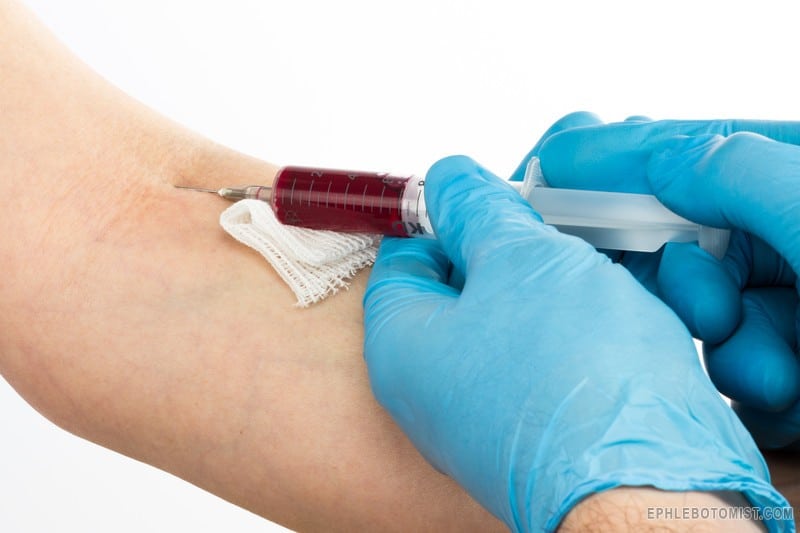
- Collecting blood samples using appropriate techniques.
- Labeling specimens accurately and processing them for laboratory analysis.
- Maintaining a clean and safe work environment by following infection control protocols.
- Documenting patient interactions and sample collection data accurately.
- Working closely with healthcare professionals to understand testing requirements and ensuring the prompt delivery of samples.
Career Insights for Phlebotomy Technicians
Understanding the career landscape is vital for aspiring phlebotomy technicians. Here are some insights that can help guide your career:
- Job Outlook: The demand for phlebotomy technicians is increasing due to a growing aging population and advancements in medical testing.
- Work Environments: Phlebotomy technicians can work in various settings, including hospitals, outpatient clinics, laboratories, and even blood donation centers.
- Certifications: Obtaining certifications from accredited institutions can enhance your employability and potentially lead to higher salaries.
- Career Advancement: With experience, you can move into supervisory roles, laboratory management, or specialize in areas such as donor phlebotomy or pediatric phlebotomy.
Benefits of Choosing a Career in Phlebotomy
Choosing a career as a Phlebotomy Technician comes with a multitude of benefits:
- Short Training Period: Many phlebotomy programs can be completed in a few months, allowing for a quick entry into the healthcare field.
- Job Satisfaction: The opportunity to help patients and support healthcare practitioners can be highly rewarding.
- Flexible Work Hours: Many positions offer varying shifts, which can accommodate different lifestyles.
Practical Tips for Aspiring Phlebotomy Technicians
If you’re considering a career as a phlebotomy technician, here are some practical tips to help you stand out:
- Enroll in an accredited phlebotomy program that includes hands-on training.
- Volunteer or seek internships to gain real-world experience and enhance your resume.
- Develop excellent communication skills, as they are essential for working with patients.
- Stay updated on best practices in phlebotomy and health protocols through continuous education.
Real-World Experience: A Day in the Life of a Phlebotomy Technician
To provide a clearer picture of what a phlebotomy technician does daily, let’s explore a typical day in their profession:
| Time | Activity |
|---|---|
| 8:00 AM | Arrive at the laboratory, review the schedule, and prepare the necessary equipment. |
| 8:30 AM | Start the first patient collection, ensuring patient comfort and safety. |
| 10:00 AM | Process samples for laboratory analysis and label them accurately. |
| 11:30 AM | Document patient interactions and any special notes for future reference. |
| 1:00 PM | Participate in a staff meeting to discuss any challenges and improvements. |
This structured approach ensures that phlebotomy technicians can efficiently manage their time and responsibilities while providing quality care to patients.
Conclusion
Becoming a Phlebotomy Technician is an excellent choice for those interested in a rewarding healthcare career. With essential skills, a clear understanding of responsibilities, and valuable insights into the career path, you can unlock your potential in this vital role. As the healthcare landscape continues to evolve, opportunities for growth and specialization as a phlebotomy technician will only expand. Embrace the journey, and make your mark in the healthcare world.